

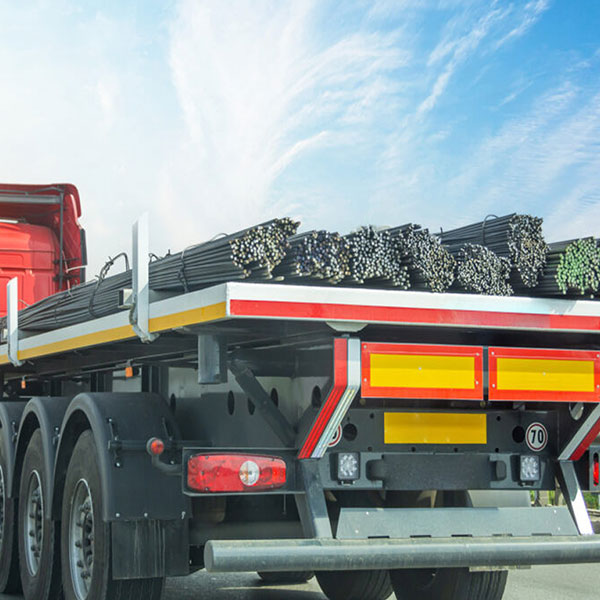
When it comes to construction projects, choosing the right materials is crucial for ensuring the durability, strength, and cost-effectiveness of the structure. One such material is the TMT bar (Thermo-Mechanically Treated bar), which plays a key role in the structural integrity of buildings, bridges, roads, and other infrastructure. While selecting TMT bars, an important factor that impacts both performance and cost is the grade of the TMT bars. The most commonly used grades in India are Fe500, Fe550, and Fe600, each with distinct characteristics that not only influence their strength but also their TMT bar price.
Understanding TMT Bar Grades: Fe500, Fe550, and Fe600
Key Features of Fe500:
Yield Strength: 500 MPa
Best for: General construction projects
Cost: Relatively affordable compared to higher-grade bars
Ductility: High flexibility, making it resistant to earthquakes
Corrosion Resistance: Moderate resistance
TMT Bar Price: Since Fe500 bars are the most commonly used and have a balanced performance, they are generally priced lower than higher grades.
2. Fe550 Grade TMT Bars
Fe550 TMT bars have a higher yield strength of 550 MPa, making them stronger and more suitable for buildings and infrastructure projects that require enhanced resistance to external forces, such as high-rise buildings, bridges, and industrial structures. The higher yield strength gives it better performance in terms of load-bearing capacity and seismic performance.
Key Features of Fe550:
Yield Strength: 550 MPa
Best for: High-rise buildings, large bridges, industrial projects
Cost: Higher than Fe500 but more affordable than Fe600
Ductility: Moderate flexibility
Corrosion Resistance: High resistance due to superior material quality
TMT Bar Price: Fe550 bars are priced higher than Fe500 due to their improved strength and ability to handle more significant loads. The TMT bar price of Fe550 is higher because of the additional strength and performance benefits.
3. Fe600 Grade TMT Bars
Fe600 TMT bars are the highest grade in terms of yield strength, with a yield strength of 600 MPa. These bars are specifically designed for projects that require exceptional strength, such as large commercial buildings, high-rise towers, and structures located in earthquake-prone zones. Fe600 bars are typically used in demanding construction projects that need to support heavy loads and extreme weather conditions.
Key Features of Fe600:
Yield Strength: 600 MPa
Best for: High-end commercial buildings, large bridges, and structures in seismic zones
Cost: The most expensive of the three grades
Ductility: Lower flexibility compared to Fe500 and Fe550
Corrosion Resistance: Extremely high resistance due to advanced steel composition
TMT Bar Price: Fe600 TMT bars are the most expensive among the three grades due to their superior strength and high resistance to corrosion. The TMT bar price of Fe600 reflects its premium quality and specialized performance.
How Does the Grade of TMT Bars Affect Price?
The TMT bar price is directly influenced by the grade of the bars.
Here’s why:
1. Material Composition
The higher the grade, the more advanced the raw materials and production techniques used in manufacturing the bars. Fe600, for example, requires a higher quantity of alloying elements such as carbon, manganese, and other materials, which adds to the production cost. This, in turn, increases the price of the bars. The manufacturing process also becomes more sophisticated as the grade increases, further impacting the cost.
2. Manufacturing Process
The process of making Fe600 bars is more intricate compared to Fe500 bars. Higher-grade TMT bars undergo additional processes such as refining, better heat treatment, and stricter quality control measures. This process ensures that the bars are stronger and more durable, but it also results in a higher TMT bar price.
3. Strength and Durability
Stronger TMT bars, such as Fe550 and Fe600, are designed for projects that demand more from the material. This increased strength and durability come at a cost. The more robust a bar is, the more it can handle, which justifies the higher price tag. For instance, Fe600 bars are engineered for extreme conditions, such as high-rise buildings or earthquake-resistant structures, which makes them more expensive.
4. Project Requirements
The grade of TMT bars selected for a project will depend on the specific requirements of the construction. For example, if you are building a small residential home, Fe500 bars will likely suffice. However, if you are constructing a large bridge or multi-story commercial building, Fe550 or Fe600 would be necessary for their superior strength and load-bearing capacity. Depending on the project’s scale and needs, the price of the TMT bars will vary accordingly.
Which Grade of TMT Bar Should You Choose?
The choice of TMT bar grade ultimately depends on the specific requirements of your construction project.
Here’s a quick breakdown:
Fe500: Ideal for general construction needs, including small and medium-sized buildings. It offers a balance of cost and performance.
Fe550: Best for high-rise buildings, bridges, and projects requiring enhanced strength and resistance to forces.
Fe600: Suitable for large commercial projects, infrastructure in earthquake-prone zones, and projects requiring the highest level of strength and durability.
While Fe500 offers the most cost-effective solution, higher-grade bars like Fe550 and Fe600 provide greater strength and resilience, justifying the higher TMT bar price for more demanding constructions.
Conclusion
Choosing the right TMT bar for your construction project is essential not just for ensuring safety and durability but also for managing your costs effectively. The TMT bar price varies depending on the grade of the bars, with Fe500 being the most affordable, Fe550 offering a middle ground, and Fe600 providing the highest strength at a premium cost.