

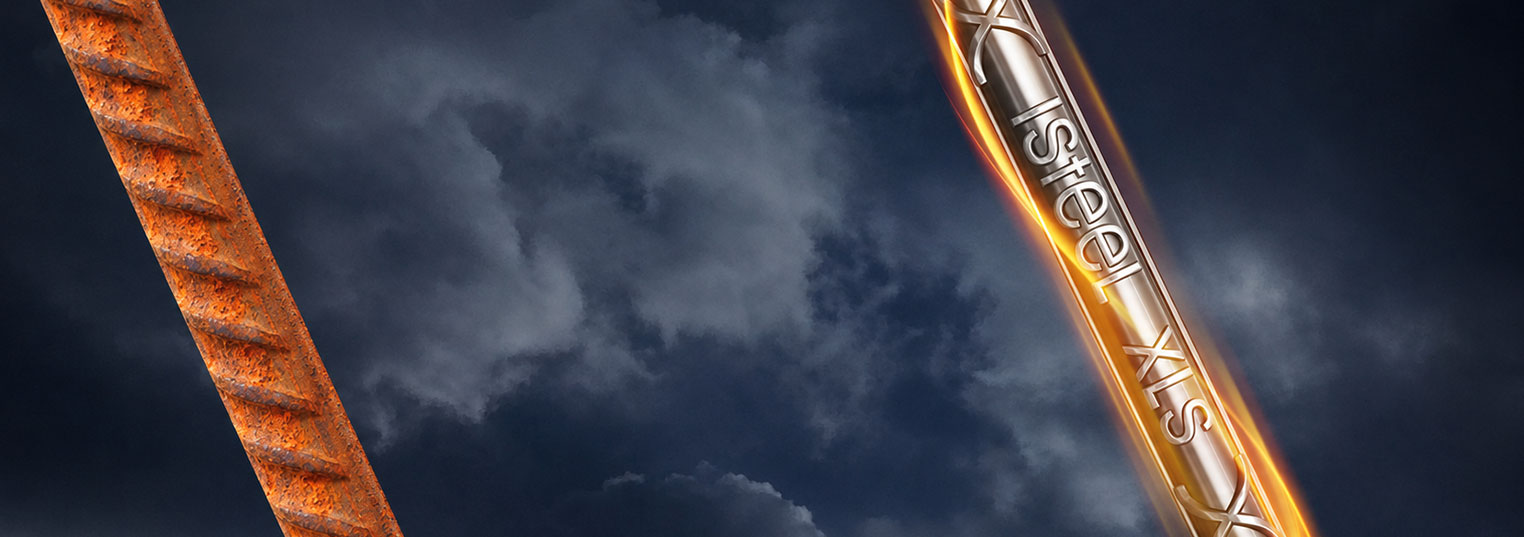
Corrosion Resistant TMT Bars: The Science Behind Structures That Stand for 50 Years in Chennai
Chennai is one of India’s most dynamic construction markets and one of its most unforgiving for reinforcement steel. The city sits on the Coromandel Coast, where salt-laden sea breezes travel inland, humidity levels stay elevated for much of the year, and monsoon rains bring sustained moisture to every surface. For ordinary TMT bars embedded in your structure’s concrete, this environment is quietly corrosive from day one.
Corrosion resistant TMT bars are not a premium upgrade for coastal projects they are a structural necessity. Understanding why requires understanding what corrosion actually does to reinforced concrete, how it progresses invisibly over years, and why the choice of steel at construction time is the only meaningful intervention point.
What Corrosion Actually Does to Your Structure
When steel corrodes, it does not simply weaken it expands. Rust occupies up to six times the volume of the original steel it replaces. Inside a concrete column or beam, this expansion generates enormous internal tensile stress that the concrete is not designed to absorb. The result is concrete cracking, spalling, and eventually full structural compromise.
The insidious aspect of this process is its invisibility. Corrosion typically begins at the steel surface within concrete initiated by chloride ions from coastal air, carbonation from atmospheric CO2, or moisture penetration through micro-cracks. By the time rust stains appear on an external wall or concrete chunks fall from a ceiling, the damage is already structural, not cosmetic.
In Chennai’s coastal zones Besant Nagar, Thiruvanmiyur, ECR, Nungambakkam, Marina-adjacent localities, and virtually all neighbourhoods within 10–15 km of the coast this process is accelerated compared to inland cities. Buildings in these areas can see measurable steel corrosion within 10–12 years when built with standard TMT bars, compared to 25–30 years for structures using properly corrosion-resistant reinforcement.
What Makes a TMT Bar Truly Corrosion Resistant
Not all TMT bars marketed as “corrosion resistant” offer the same level of protection. Genuine corrosion resistance in steel reinforcement comes from three sources:
1. Alloy Composition
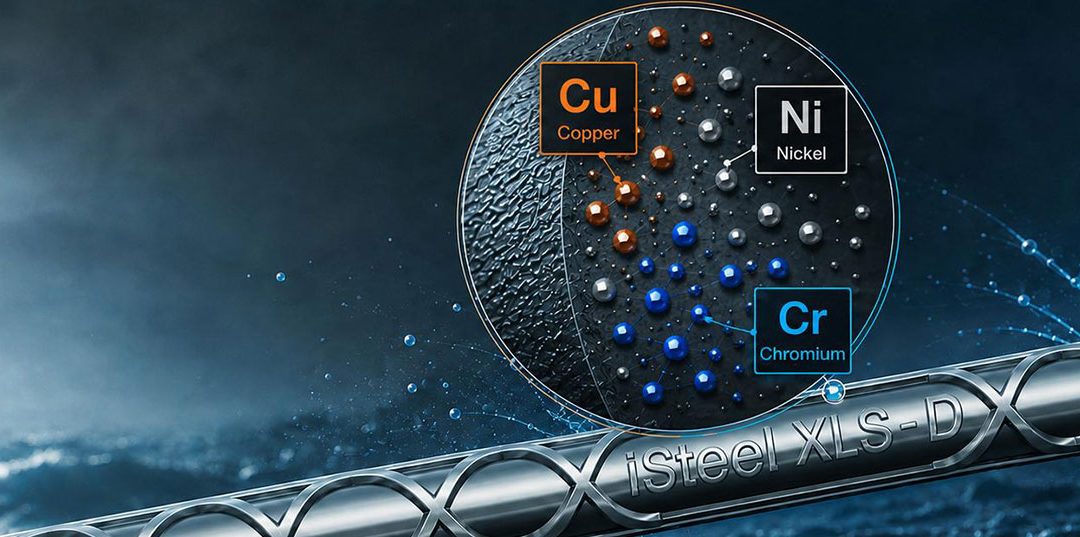
The addition of specific alloying elements copper, chromium, phosphorus, and in some grades, nickel at controlled proportions improves the steel’s inherent resistance to oxidation. These elements create a tighter oxide layer at the surface that slows chloride ion penetration and limits the electrochemical reactions that drive corrosion.
2. Controlled Thermo-Mechanical Treatment
The TMT (Thermo-Mechanically Treated) process involves rapid quenching of the bar surface after rolling, creating a hard martensitic outer layer and a tough ferritic-pearlitic core. When executed with precision, this dual-layer microstructure improves not just strength but also surface density reducing the porosity through which corrosive agents penetrate.
3. Consistent Manufacturing Quality
Corrosion resistance is only as good as the consistency of the process that creates it. Batch-to-batch variation in alloy composition or cooling rates can create weak zones in bars that corrode faster than their test-certified counterparts. This is why manufacturing quality assurance verified through independent testing matters as much as the grade specification itself.
iSTEEL XLS-D: Engineered for Chennai’s Coastal Reality
iSTEEL’s XLS-D TMT bars are designed specifically to address the corrosion challenges of South India’s coastal construction environment. The XLS-D designation reflects enhanced corrosion resistance engineering combining an optimised alloy composition with iSTEEL’s precision-controlled manufacturing process to deliver bars that are demonstrably more resistant to chloride-driven and humidity-driven corrosion than standard IS 1786 TMT bars.
This is not a theoretical claim. iSTEEL’s Mobile Steel Testing Van brings quality verification to the ground level allowing builders and engineers at construction sites across Tamil Nadu to verify the strength and composition parameters of the steel they are using, without waiting for lab reports that may take days and whose accuracy depends on sample handling.
Where Corrosion Resistant TMT Bars Are Non-Negotiable
While corrosion-resistant steel benefits all construction, certain project types and locations in Chennai demand it as a minimum standard:
- Coastal and seafront residential buildings continuous salt aerosol exposure
- Underground structures and basements permanent groundwater contact
- Water tanks, sumps, and swimming pools direct water immersion
- Industrial facilities with chemical exposure acid or alkali environments
- Bridges, flyovers, and elevated corridors cyclically wet structural members
- Any construction within 10 km of the Chennai coastline
In these environments, the cost difference between standard and corrosion-resistant TMT bars is marginal at construction time. The cost difference 20 years later between a well-preserved structure and one requiring major rehabilitation is not marginal at all.
How to Evaluate Corrosion Resistance Claims
Given that many steel brands claim corrosion resistance, builders and homeowners need to know how to evaluate those claims. Key verification points include:
- BIS IS 1786 certification confirms basic manufacturing standards are met
- Chemical composition test reports verify the presence and proportion of alloying elements
- Corrosion test results accelerated salt spray tests or immersion tests with documented data
- Manufacturer’s quality audit records consistency over batches, not just single-sample test
- On-site testing availability the ability to verify the specific bars used in your project
iSTEEL addresses all five of these through BIS certification, batch-level quality documentation, and its unique Mobile Steel Testing Van that brings verification to the construction site itself.
The Long-Term Cost Case for Corrosion Resistant Steel
A common objection to premium corrosion-resistant TMT bars is cost. The price premium over standard bars is real typically in the range of 3–7% depending on grade and market conditions. But consider what this premium buys over a 40-year building lifecycle:
- Avoidance of concrete repair and patching work often running ₹5–15 lakh for a mid-sized residential building
- Elimination of structural rehabilitation interventions that require resident displacement
- Preserved property valuation buildings with visible corrosion damage attract significantly lower resale values
- Reduced maintenance cycles and owner anxiety over structural health
For a structure expected to house a family for two or three generations, the premium for iSTEEL’s XLS-D bars is arguably the most cost-effective single decision made during construction.
Conclusion: Build Once, Build Right
Corrosion resistant TMT bars are not a luxury in Chennai they are the baseline for responsible construction in a coastal city that subjects its buildings to conditions most TMT bar specifications were not designed for.
iSTEEL’s XLS-D grade offers engineers, builders, and homeowners a scientifically engineered, BIS-certified, and independently verifiable answer to Chennai’s corrosion challenge. The Mobile Steel Testing Van removes the opacity that has long made it difficult for end users to verify what they are actually getting.
Build once. Build with the right steel. Choose iSTEEL XLS-D and give your structure the corrosion resistance it needs to stand for 50 years and beyond.
Other Blogs
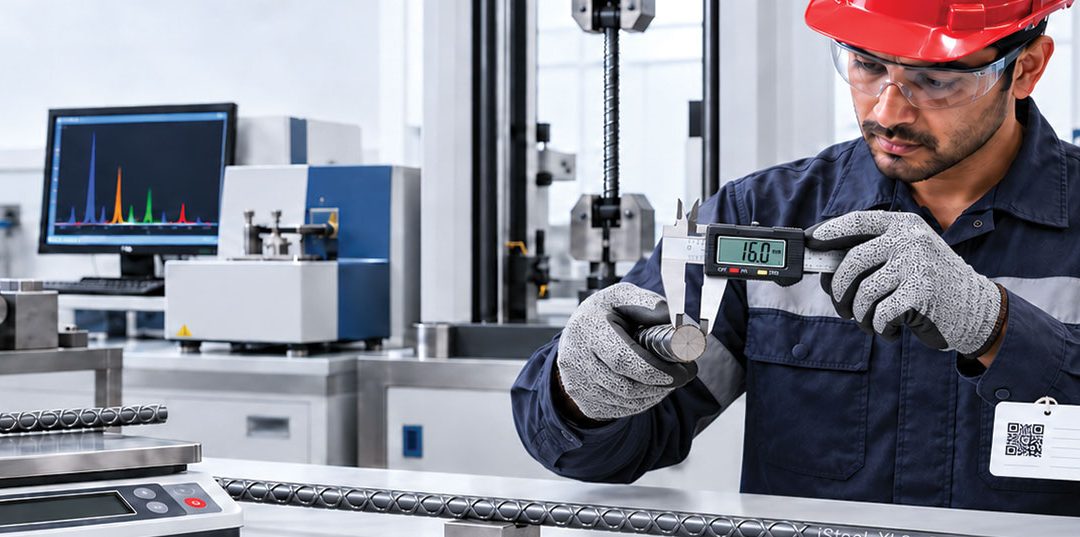
Steel Quality Assurance Services: Ensuring Strength, Safety and Reliability in Construction
Steel is one of the most important materials used in modern construction. From residential homes and commercial buildings…
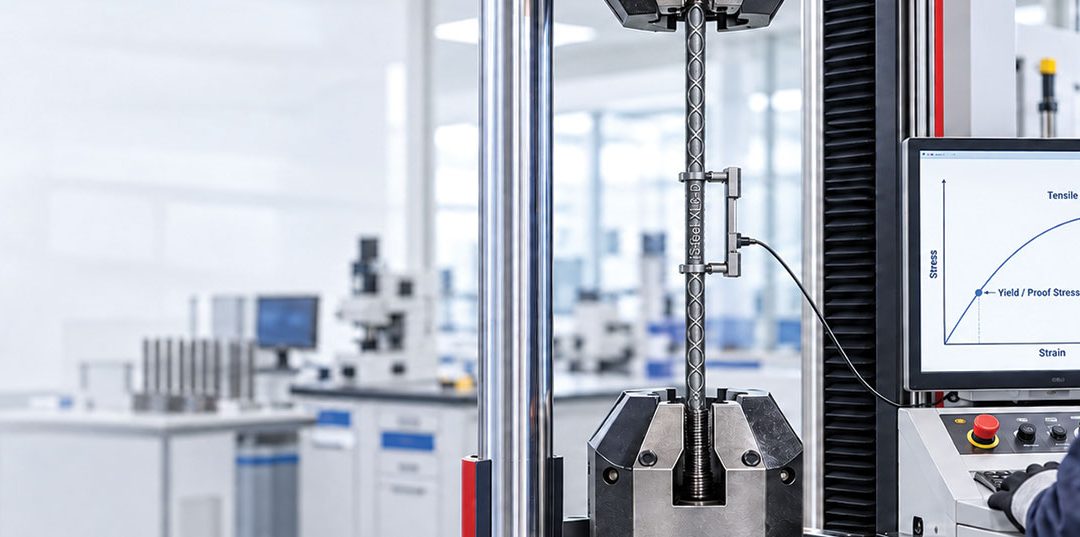
TMT Tensile Strength Testing: Why It Matters for Strong and Safe Construction
When it comes to building a safe and durable structure, the quality of reinforcement steel plays a critical role. TMT bars are…
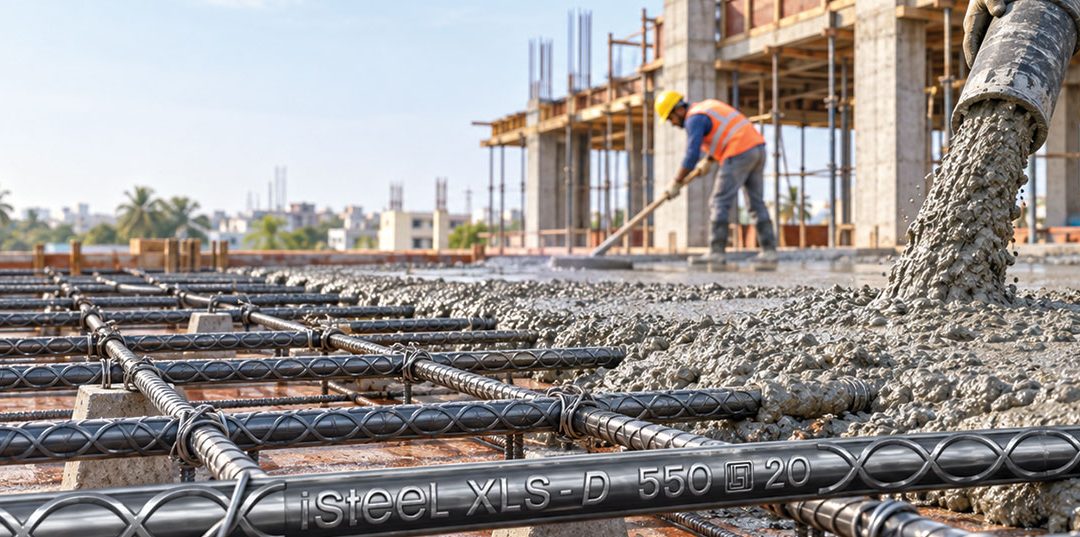
Steel for RCC Construction: What Your Contractor Doesn’t Tell You And What Could Cost You Lakhs Later
Most homeowners in Chennai and Tamil Nadu spend months choosing floor tiles, kitchen fittings, and paint colours for their new home…
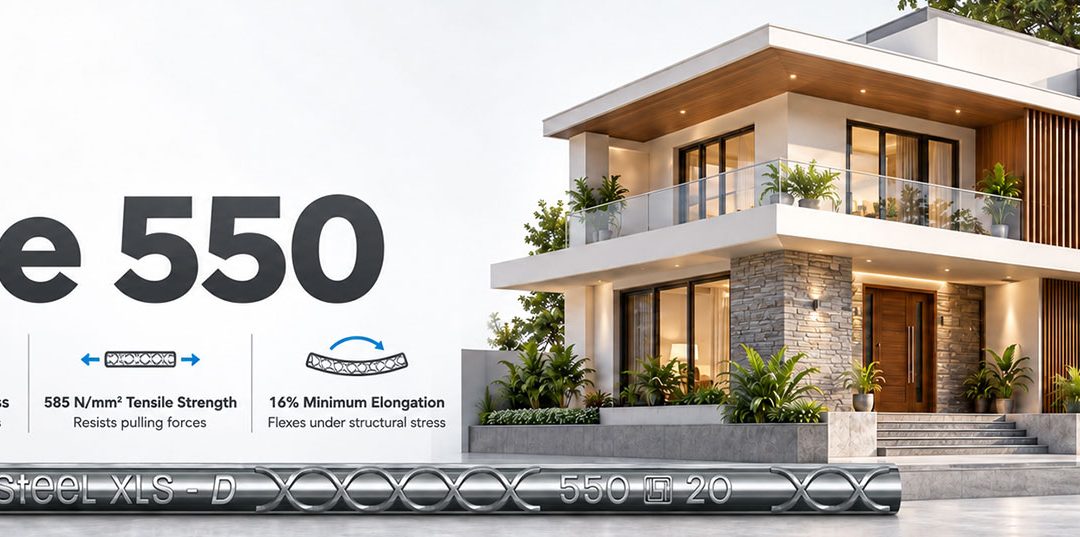
Best 550 TMT Bars: A Complete Guide to Stronger and Long-Lasting Construction
Best 550 TMT bars are an important choice for modern construction projects that require high strength, durability, flexibility…
India’s No 1 TMT Bar: Building Stronger Foundations for a Safer Tomorrow
India’s No 1 TMT bar is more than just a construction material; it is an essential part of building structures that are designed…
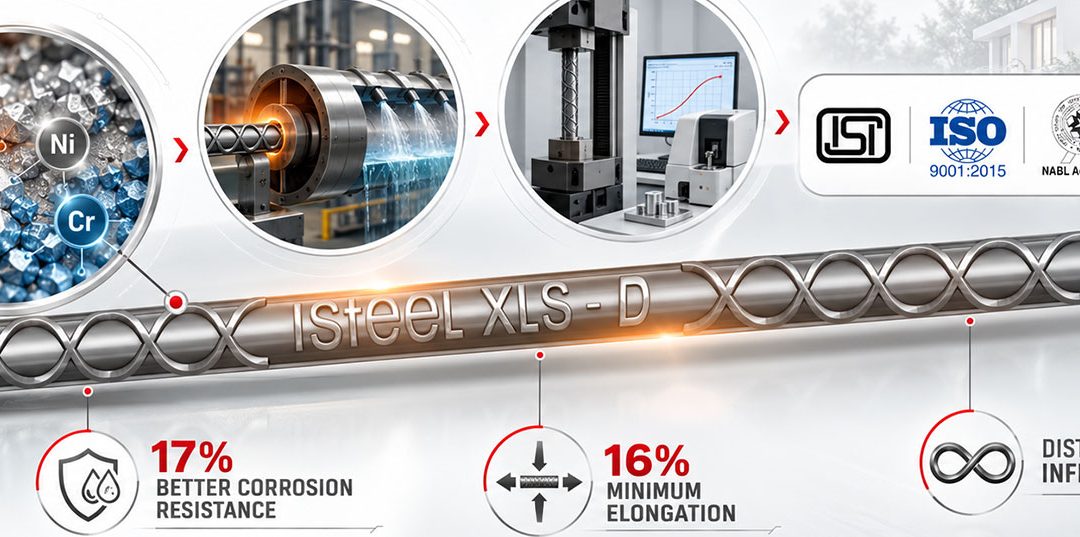
What Separates the Best Steel Company From Every Other? A Builder’s Guide to Choosing Steel That Never Compromises
Every steel supplier will tell you they are the best. They will show you certifications, quote competitive rates, and promise reliable…

Top TMT Bar Manufacturers in Tamil Nadu: What Separates a Premium Steel Brand From a Commodity Supplier
Tamil Nadu is building at a pace that is reshaping its skyline, coastline, and economic geography all at once. From Chennai’s…
Best TMT Bars in Tamil Nadu: What “Best” Really Means When a Home Has to Last 50 Years
Ask ten people what the best TMT bars in Tamil Nadu are and you will get ten different…
Best TMT Steel for Long Lasting Homes: What Every Homeowner in Tamil Nadu Needs to Know Before Construction Begins
When a family builds a home, they are not building for five years or ten years. They are building for a lifetime and often, for the generation…

Rust Proof TMT Bars: Why What You Cannot See Inside Your Walls Determines How Long Your Home Stands
When a home is built, the reinforcement steel disappears behind concrete, plaster, and paint. It becomes invisible and for most homeowners…