


Rust Proof TMT Bars: Why What You Cannot See Inside Your Walls Determines How Long Your Home Stands
When a home is built, the reinforcement steel disappears behind concrete, plaster, and paint. It becomes invisible and for most homeowners, it stays that way until something goes wrong. A crack appears on a wall. Rust stains bleed through the plaster. A chunk of concrete falls from a ceiling or balcony edge.
By the time any of these signs appear, the steel inside has already been corroding for years. The visible damage is never the beginning of the problem it is the announcement that the problem has already become structural.
This is why the decision to use Rust proof TMT bars is not a premium upgrade for a minority of cautious buyers. In India’s coastal cities, high-humidity zones, and flood-prone regions which together cover a very large share of the country’s active construction markets rust proof TMT bars are the baseline for responsible reinforced concrete construction.
Understanding what makes a TMT bar genuinely rust resistant, how to evaluate those claims, and what iSTEEL’s XLS-D technology delivers is essential knowledge for every builder, engineer, and homeowner making this decision.
What Rust Actually Does to a Reinforced Concrete Structure
Steel rusts through an electrochemical process: when iron, oxygen, and moisture interact in the presence of an electrolyte such as the chloride-laden air near a coastline, or groundwater with dissolved salts a corrosion reaction begins at the steel surface. The product of this reaction, iron oxide, is significantly larger in volume than the original metal. Rust can occupy up to six times the volume of the steel it replaces.
Inside a concrete structure, this volume expansion has nowhere to go. The surrounding concrete is rigid. As rust accumulates and expands, it generates tensile stress on the concrete from within stress that concrete is fundamentally poor at resisting. The result is a predictable and well-documented failure sequence:
- Micro-cracking begins in the concrete immediately surrounding the corroding bar
- Cracks propagate outward through the concrete cover the layer of concrete between the bar and the external surface
- Surface cracking and rust staining become visible typically 8–15 years after corrosion initiation in coastal environments
- Spalling begins chunks of concrete separate from the surface, exposing the bar directly to the atmosphere and dramatically accelerating corrosion
- Structural cross-section of the bar reduces as steel is converted to rust reducing load-bearing capacity
- In advanced cases, structural failure of beams, columns, or slabs becomes a safety risk
This entire sequence begins with a process that is completely invisible and completely preventable with the right steel.
Why Coastal and Humid Environments Accelerate Rust Dramatically
All steel is susceptible to corrosion in the presence of moisture and oxygen. But the rate of corrosion varies enormously depending on the environment. For Tamil Nadu and Chennai specifically, several factors combine to create one of India’s most aggressive corrosion environments for reinforcement steel:
Marine Chloride Exposure
Tamil Nadu’s 1,076 km coastline is lined with active construction zones from Chennai’s expanding residential corridors along ECR and OMR, to coastal towns like Mahabalipuram, Pondicherry, Nagapattinam, and Rameswaram. In these areas, salt particles from sea spray travel inland on the wind in some locations, measurable chloride deposition occurs up to 10–15 km from the shoreline. Chloride ions are the primary accelerant of steel corrosion: they break down the passive oxide film that naturally protects steel and enable the corrosion cycle to run continuously.
Year-Round Humidity
Unlike India’s northern cities where dry winters provide seasonal relief from corrosion, Chennai and coastal Tamil Nadu maintain elevated relative humidity for most of the year. Moisture availability the electrolyte that enables the electrochemical corrosion reaction is rarely interrupted. This means corrosion in coastal Tamil Nadu structures does not pause seasonally; it operates year-round.
Groundwater Salinity
In many coastal and low-lying areas of Tamil Nadu, groundwater carries elevated chloride and sulphate concentrations. For below-grade construction foundations, basements, underground sumps, and retaining walls this means reinforcement steel is in sustained contact with a chloride-rich electrolyte through the concrete’s moisture. Below-grade corrosion in these conditions can be faster than above-grade corrosion in the same location.
Industrial Atmosphere
Chennai’s industrial corridors Manali, Ambattur, Sriperumbudur, Oragadam add sulphur dioxide and nitrogen oxide emissions to the atmosphere. These gases dissolve in moisture to form weak acids that accelerate the carbonation of concrete cover reducing its alkalinity and destroying the passive protection it provides to embedded steel. Industrial-zone construction faces a combination of chemical and moisture-driven corrosion that makes rust proof steel specification particularly important.
What Makes a TMT Bar Genuinely Rust Proof
The term “rust proof TMT bars” is used broadly in the construction materials market and not always accurately. Understanding what genuine rust resistance requires helps buyers evaluate claims and avoid being misled by surface-level marketing.
True corrosion resistance in TMT bars comes from three engineering sources working together:
1. Alloy Composition The Foundation of Rust Resistance
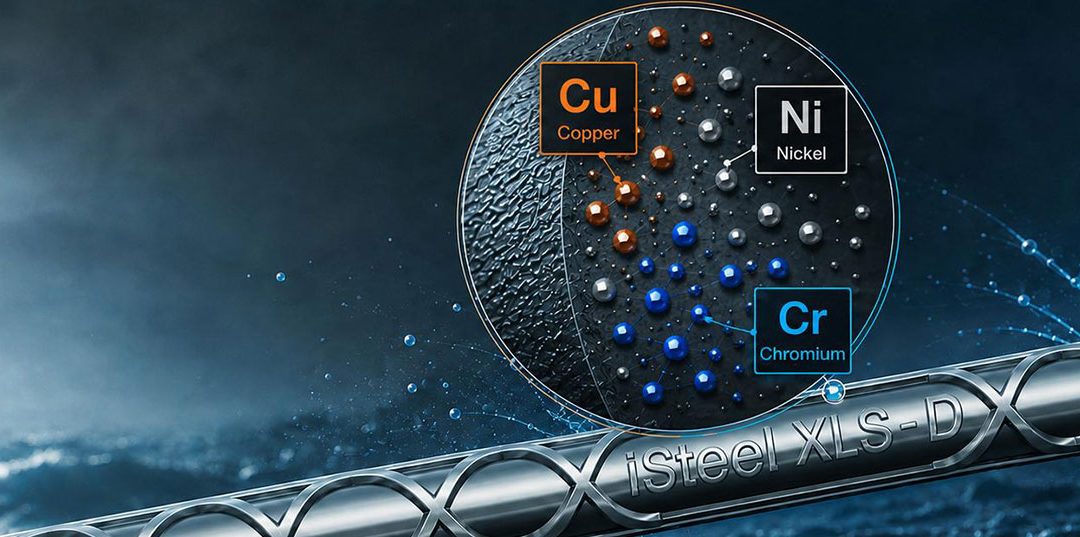
Standard IS 1786 TMT bars are made from carbon-manganese steel with no specific requirement for corrosion-resistant alloying elements. Genuine rust proof TMT bars incorporate additional elements most commonly copper (Cu), chromium (Cr), and phosphorus (P) in controlled proportions that fundamentally alter how the steel surface interacts with its environment.
Copper additions promote the formation of a tightly adherent, protective patina layer on the steel surface that inhibits chloride penetration. Chromium creates a denser oxide layer with lower ionic permeability. Phosphorus in controlled quantities enhances the stability of the protective surface film. Together, these additions can reduce the corrosion rate of steel in marine environments by a factor of 4–8 times compared to plain carbon steel.
This is not a coating it is a property of the steel itself, present throughout the bar, not just on the surface. It cannot be scratched off, damaged during handling, or degraded during construction. It is integral to the material.
2. Thermo-Mechanical Treatment Surface Density Matters
The TMT process rapid water quenching after hot rolling creates a hard martensitic outer layer on the bar. When applied with precision, this surface layer is significantly denser than the bar’s core, reducing the surface porosity through which moisture and chloride ions penetrate to initiate corrosion. The quality of this treatment specifically the consistency of quenching temperature, duration, and cooling rate directly affects how impermeable the surface layer is.
Poorly controlled TMT processes create inconsistent surface microstructures with variable porosity meaning some sections of a bar may have significantly lower corrosion resistance than others, even if the average test result appears acceptable. Consistent process control across every production run is as important as the specification itself.
3. Manufacturing Quality Assurance Consistency Across Every Bar
A test certificate showing good corrosion resistance properties for a single sample is not evidence that every bar in a batch or every batch from a supplier meets the same standard. Genuine rust proof performance requires manufacturing quality systems that maintain alloy composition, heat treatment consistency, and process control across every production run, with batch-level documentation available for verification.
iSTEEL XLS-D: Rust Proof TMT Bars Engineered for Tamil Nadu
iSTEEL’s XLS-D TMT bars are designed from the ground up to deliver genuine, verifiable rust resistance for South India’s coastal construction environment. The XLS-D designation reflects a complete engineering approach to corrosion resistance not a marketing label applied to standard bars.
Enhanced Alloy Composition
iSTEEL XLS-D bars incorporate copper and chromium additions at optimised levels, creating the integral corrosion resistance that surface coatings cannot replicate. This alloy specification is documented in the chemical composition test reports available for every batch giving engineers and builders the ability to verify that the corrosion-resistant elements are actually present in the steel they are using.
Precision-Controlled TMT Process
iSTEEL’s manufacturing process applies the TMT quenching treatment with precision control over temperature, water flow rate, and cooling duration ensuring that the dense martensitic surface layer is consistent across the full length of every bar in every batch. This consistency is what bridges the gap between a grade specification and real-world rust resistance performance.
BIS IS 1786 Certification
Every iSTEEL XLS-D bar is BIS IS 1786 certified providing independent verification of mechanical properties including yield strength, tensile strength, elongation, and bend performance. The BIS certification licence number is verifiable, ensuring buyers can confirm the certification is current and genuine.
Mobile Steel Testing Van: Verify on Your Site
iSTEEL’s Mobile Steel Testing Van is a unique quality assurance initiative that brings certified testing directly to construction sites and dealer points across Tamil Nadu. This means builders and engineers can verify the mechanical properties and chemical composition including the corrosion-resistant alloying elements of the specific iSTEEL XLS-D bars going into their structure.
For a homeowner building in Besant Nagar, a contractor working in Thiruvanmiyur, or a developer constructing in Nungambakkam proximity to the coast makes rust proof steel non-negotiable. The Mobile Testing Van makes the quality of that steel verifiable, not just claimed.
The Applications Where Rust Proof TMT Bars Are Non-Negotiable
While all structures benefit from corrosion-resistant reinforcement, certain applications and locations make rust proof TMT bars an absolute necessity rather than a preference:
- Coastal residential buildings within 15 km of the Tamil Nadu shoreline continuous chloride aerosol exposure
- Underground and below-grade construction in coastal zones direct groundwater chloride contact
- Water storage structures sumps, overhead tanks, underground reservoirs direct water immersion
- Swimming pools and water features sustained chemical and moisture exposure
- Industrial facilities near chemical processing zones acid and alkali atmospheric exposure
- Bridges and elevated roads in coastal or humid environments cyclic wetting and drying accelerates chloride ingress
- Any structure with design life requirements exceeding 30 years in a coastal or high-humidity location
How to Verify a Rust Proof Claim Before You Buy
Given the range of products marketed as rust proof or corrosion resistant in the TMT bar market, these verification steps protect buyers from investing in a label rather than a property:
- Request the chemical composition test report confirm copper (Cu) and chromium (Cr) are listed with their actual percentages, not just “as per IS 1786”
- Check whether the BIS certification is current verify the licence number on the BIS website
- Ask about batch-level documentation one certificate for a 50-tonne delivery covering multiple heats is not adequate quality assurance
- Ask whether on-site or point-of-delivery testing is available a supplier confident in their rust proof claim should welcome independent verification
- Confirm the corrosion resistance is integral to the steel, not a surface coating coatings can be damaged during handling and do not provide long-term protection inside concrete
The Cost of Not Choosing Rust Proof Steel
The price premium for genuinely corrosion-resistant TMT bars over standard grade bars is typically 4–8% depending on grade and market conditions. On a 150-tonne residential project, this represents approximately ₹60,000–₹1.2 lakh in additional material cost.
Contrast this with the cost of corrosion-related structural repair in a coastal Tamil Nadu building 15–20 years after construction with standard steel:
- Surface patching and anti-carbonation coating application: ₹2–5 lakh for a mid-sized home
- Concrete removal, bar cleaning or replacement, and recasting in affected structural members: ₹8–20 lakh
- Full structural rehabilitation in advanced corrosion cases: ₹25–60 lakh or more
- Property value reduction from visible corrosion damage: often 15–25% of market value in affected buildings
The economics are not ambiguous. Rust proof TMT bars are not an expense they are the single most cost-effective structural decision available at construction time. And unlike every other construction decision, this one cannot be revisited once the concrete is poured.
iSTEEL XLS-D Across Tamil Nadu: Premium Quality, Wide Reach
iSTEEL’s distribution network reaches builders, contractors, and homeowners across Tamil Nadu’s key construction markets Chennai and its suburban corridors, Coimbatore, Madurai, Tiruchirappalli, Salem, and the state’s coastal districts. Premium rust proof XLS-D TMT bars are accessible through iSTEEL’s retail dealer network without requiring direct factory procurement relationships.
Combined with the Mobile Steel Testing Van’s field operations across the state, iSTEEL makes quality-verified, genuinely corrosion-resistant TMT bars accessible to every project from a 1,000 sq ft family home in a Chennai suburb to a large commercial development on the ECR.
Building Homes That Protect Families for Generations
A home is not just a structure. It is the place where families live, children grow up, and memories accumulate across decades. The families who build homes in Chennai and across Tamil Nadu’s coastal communities are making investments intended to last not just their own lifetimes, but their children’s and grandchildren’s lifetimes.
The steel inside those homes should match that ambition. iSTEEL XLS-D rust proof TMT bars are engineered to do exactly that to provide the corrosion resistance that coastal Tamil Nadu’s environment demands, backed by science, verified by testing, and certified to the standards that structural safety requires.
When the concrete sets and the steel disappears from view, you should be able to stop thinking about it because you chose steel that was engineered to protect your home from the inside for the next 50 years.
That is the iSTEEL XLS-D promise.
Conclusion
Rust proof TMT bars are not a luxury specification for high-budget projects they are the rational, evidence-based choice for any construction project in Tamil Nadu’s coastal, humid, or industrially polluted environments. The science of corrosion is clear, the cost of corrosion failure is well-documented, and the availability of genuinely rust-resistant steel has never been better.
iSTEEL’s XLS-D TMT bars deliver rust resistance that is integral to the steel, verifiable through on-site testing, backed by BIS IS 1786 certification, and engineered specifically for the conditions that Tamil Nadu’s construction environment creates. For builders, engineers, and homeowners who understand that the most important decision in construction is the one you cannot undo the steel iSTEEL XLS-D is the answer.
Build with steel that resists rust from day one. Build with iSTEEL XLS-D. Build something that lasts.
Other Blogs
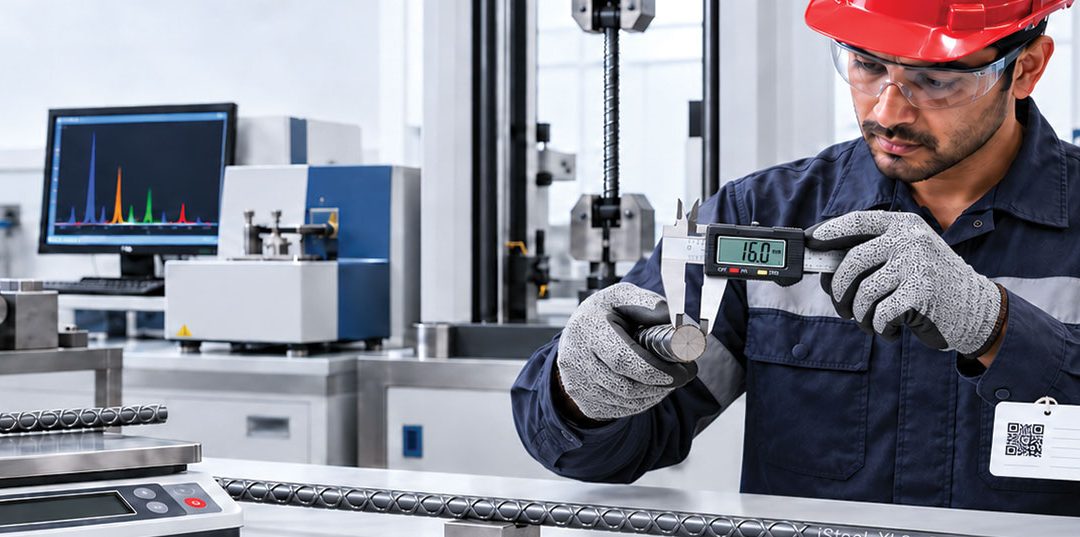
Steel Quality Assurance Services: Ensuring Strength, Safety and Reliability in Construction
Steel is one of the most important materials used in modern construction. From residential homes and commercial buildings…
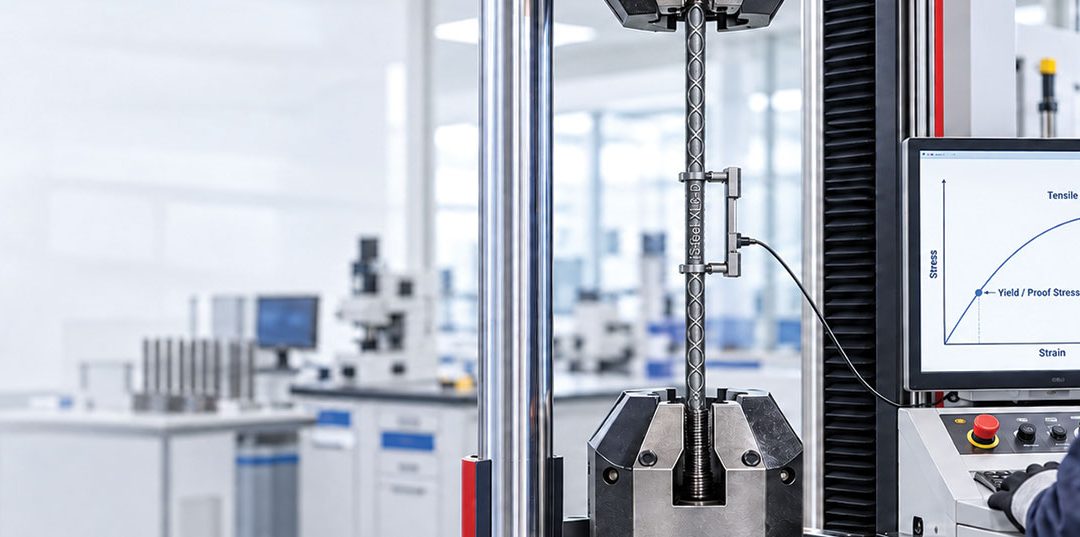
TMT Tensile Strength Testing: Why It Matters for Strong and Safe Construction
When it comes to building a safe and durable structure, the quality of reinforcement steel plays a critical role. TMT bars are…
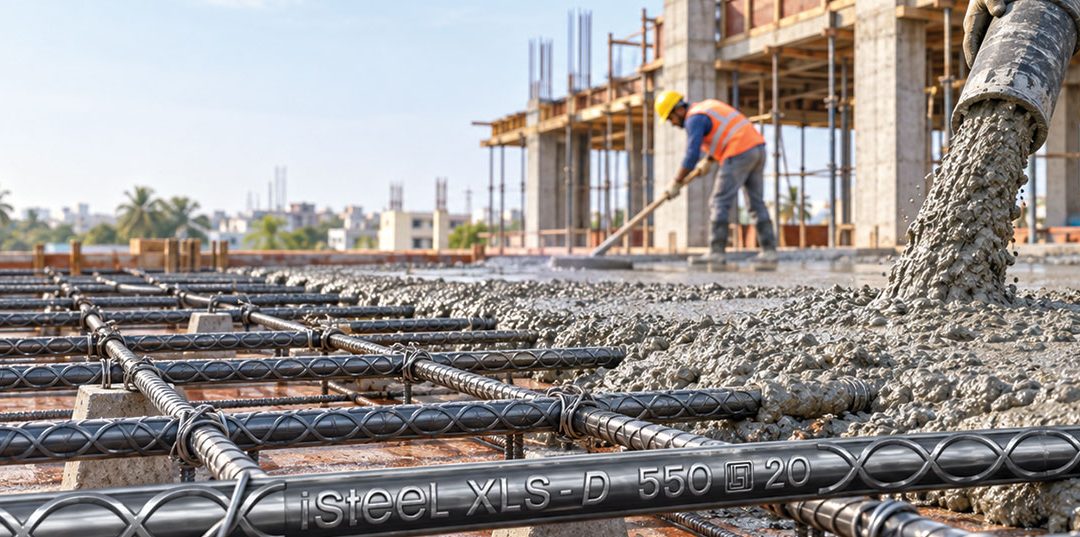
Steel for RCC Construction: What Your Contractor Doesn’t Tell You And What Could Cost You Lakhs Later
Most homeowners in Chennai and Tamil Nadu spend months choosing floor tiles, kitchen fittings, and paint colours for their new home…
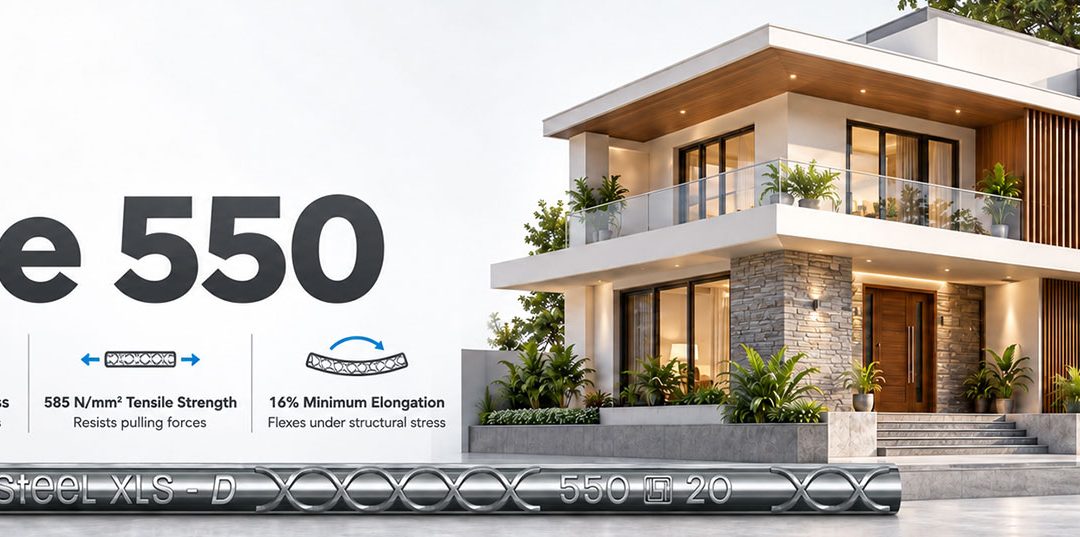
Best 550 TMT Bars: A Complete Guide to Stronger and Long-Lasting Construction
Best 550 TMT bars are an important choice for modern construction projects that require high strength, durability, flexibility…
India’s No 1 TMT Bar: Building Stronger Foundations for a Safer Tomorrow
India’s No 1 TMT bar is more than just a construction material; it is an essential part of building structures that are designed…
What Separates the Best Steel Company From Every Other? A Builder’s Guide to Choosing Steel That Never Compromises
Every steel supplier will tell you they are the best. They will show you certifications, quote competitive rates, and promise reliable…
Top TMT Bar Manufacturers in Tamil Nadu: What Separates a Premium Steel Brand From a Commodity Supplier
Tamil Nadu is building at a pace that is reshaping its skyline, coastline, and economic geography all at once. From Chennai’s…
Best TMT Bars in Tamil Nadu: What “Best” Really Means When a Home Has to Last 50 Years
Ask ten people what the best TMT bars in Tamil Nadu are and you will get ten different…
Best TMT Steel for Long Lasting Homes: What Every Homeowner in Tamil Nadu Needs to Know Before Construction Begins
When a family builds a home, they are not building for five years or ten years. They are building for a lifetime and often, for the generation…
Top TMT Steel Brand in Tamil Nadu: What Separates a Truly Premium Steel Brand From the Rest
When engineers, builders, and homeowners in Tamil Nadu search for the top TMT steel brand, they are not simply looking…