

Anti Corrosion Steel Bars: The Silent Guardian Inside Every Wall, Column, and Beam of Your Home
The battle is corrosion. And in most buildings constructed with ordinary steel bars, it is a battle the steel quietly loses one millimetre of section at a time, over years and decades, until the damage surfaces as cracks, spalling concrete, rust stains on walls, and in serious cases, structural compromise that no amount of surface repair can undo.
Anti corrosion steel bars exist to change this outcome. Not through surface treatments that wear off during handling or construction. Not through coatings that crack under bending. But through metallurgical engineering steel whose resistance to corrosion is built into its atomic structure, active from day one, and permanent for the life of the structure.
iSTEEL’s XLS-D TMT bars are Tamil Nadu’s premium anti corrosion steel solution scientifically engineered, BIS certified, and verifiable on-site through iSTEEL’s Mobile Steel Testing Van. This blog explains the science behind corrosion, why it is a particularly serious threat in Tamil Nadu, and why genuine anti corrosion steel bars are not a premium option but the responsible baseline for construction in this environment.
Understanding Corrosion: What Is Actually Happening Inside Your Structure
Most people think of corrosion as rust the orange-brown surface oxidation visible on exposed steel. But in reinforced concrete structures, corrosion is far more complex, far more damaging, and far more dangerous than surface rust suggests.
The Electrochemical Reality of Steel Corrosion
Steel corrosion in concrete is an electrochemical process a chemical reaction driven by the presence of an electrolyte (water with dissolved ions) in contact with the steel surface. When chloride ions from coastal air or groundwater, or carbonate ions from atmospheric CO2, reach the steel surface through micro-pores in the concrete, they disrupt the thin passive oxide film that normally protects steel in alkaline concrete environments.
Once that passive film is breached, an electrochemical cell forms: anodic zones on the steel surface where iron dissolves (losing electrons and forming iron ions) and cathodic zones where oxygen is reduced. The iron ions combine with hydroxide and oxygen to form iron oxides rust that occupies two to six times the volume of the original steel.
The Expansion Problem: How Corrosion Destroys Concrete from Within
This volume expansion is the mechanism that makes corrosion so destructive in RCC structures. The expanding rust generates radial tensile stress in the surrounding concrete — stress the concrete is not designed to absorb. When this stress exceeds the concrete’s tensile strength, the concrete cracks. As corrosion continues, cracks widen, concrete cover spalls away, and the structural integrity of columns, beams, and slabs is progressively compromised.
The critical insight is this: by the time visible damage appears on the surface of a structure, the corrosion damage inside is already extensive and structural. Surface repairs patching, painting, waterproofing address the symptom, not the cause. Only anti corrosion steel bars at the point of construction address the cause.
Two Corrosion Pathways in Tamil Nadu Structures
In Tamil Nadu’s construction environment, reinforcement steel faces two distinct and serious corrosion pathways:
- Chloride-induced corrosion dominant in coastal zones. Chloride ions from marine aerosols and saline groundwater penetrate concrete and directly attack the steel’s passive film. This is the fastest and most aggressive corrosion mechanism, capable of initiating measurable steel section loss within 8–12 years in Chennai’s coastal localities with standard TMT bars
- Carbonation-induced corrosion relevant across all Tamil Nadu urban areas. Atmospheric CO2 reacts with calcium hydroxide in concrete, progressively reducing the concrete’s alkalinity. When the carbonation front reaches the steel depth, the alkaline environment that maintains the steel’s passive film no longer exists, and corrosion initiates. This process is slower than chloride corrosion but affects all structures in urban and industrial environments
iSTEEL’s XLS-D anti corrosion steel bars are engineered to resist both pathways providing comprehensive corrosion protection across Tamil Nadu’s diverse construction environments.
What Makes Steel Genuinely Anti Corrosion: The Science of XLS-D
The term “anti corrosion steel bars” is used broadly in the market sometimes to describe bars with surface coatings, sometimes to describe bars with alloying additions, and sometimes with no scientific basis at all. Understanding what genuine anti corrosion performance requires helps buyers separate engineered solutions from marketing claims.
Surface Coatings: Why They Are Not Enough
Epoxy-coated and galvanised steel bars offer corrosion protection through a barrier between the steel and the environment. These approaches have a fundamental limitation in construction applications: the coating must remain intact through cutting, bending, transport, placement, and the entire construction process. Any breach in the coating a scratch, a cut end, a bend crack creates a localised corrosion site that can actually accelerate corrosion through a concentration effect. Coating-based protection is a fragile defence in the rough reality of construction sites.
Metallurgical Alloying: The Permanent Solution
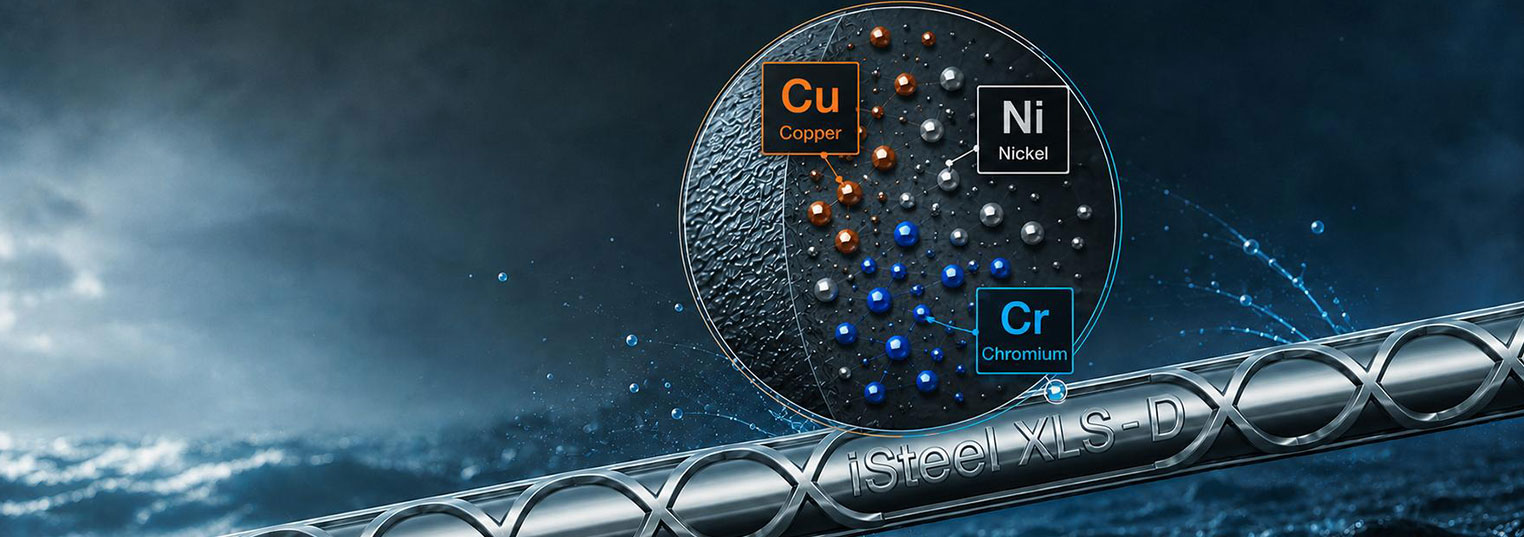
iSTEEL’s XLS-D bars achieve anti corrosion performance through metallurgical engineering the controlled addition of specific alloying elements that change the fundamental chemistry of the steel itself. This is not a coating that can be damaged. It is a property distributed throughout every cubic millimetre of the bar’s cross-section, present at cut ends, bend points, and all surfaces equally.
The key alloying elements in iSTEEL’s XLS-D formulation and their roles:
Copper (Cu)
Copper additions at controlled levels significantly improve a steel’s resistance to atmospheric and chloride-driven corrosion. Copper promotes the formation of a denser, more adherent rust layer a patina that actually slows further corrosion rather than accelerating it, as loose rust does on ordinary steel. In Tamil Nadu’s coastal environment, this copper-enhanced oxide layer provides a meaningful and measurable barrier against ongoing chloride attack.
Chromium (Cr)
Chromium is the alloying element most associated with corrosion resistance in steel it is the element that makes stainless steel stainless. At the levels used in iSTEEL’s XLS-D formulation, chromium additions significantly improve the stability and density of the passive oxide film on the steel surface, slowing the rate at which chloride ions can breach it and initiate the electrochemical corrosion reaction.
Phosphorus (P) — Controlled Addition
Phosphorus at controlled levels contributes to improved weathering resistance and a refined grain structure that reduces the pathways through which corrosive agents penetrate the steel surface. iSTEEL’s XLS-D formulation balances phosphorus addition carefully enough to improve corrosion resistance without compromising weldability or ductility.
The Result: A Fundamentally More Durable Steel
Together, these alloying additions create a steel with a measurably denser, more protective surface oxide layer one that slows chloride ion penetration, resists carbonation-front corrosion initiation, and maintains protective properties at cut ends, bend points, and all surfaces throughout the bar’s service life. This is genuine anti corrosion performance not a marketing designation, but a metallurgically verifiable property.
Where Anti Corrosion Steel Bars Are Non-Negotiable in Tamil Nadu
While all Tamil Nadu construction benefits from anti corrosion steel, certain project types and locations face corrosion risks severe enough to make standard TMT bars a genuinely inadequate specification:
Coastal Residential Construction: Chennai to Kanyakumari
Any residential building within 10–15 km of the Tamil Nadu coastline is in a high chloride exposure zone. This includes some of Chennai’s most valuable residential localities Besant Nagar, Thiruvanmiyur, Adyar, Nungambakkam, Mylapore as well as the entire ECR corridor and coastal towns the length of the state. Homes built in these areas with standard TMT bars are on a corrosion timeline that typically produces visible damage within 15–20 years and structural compromise within 25–35 years.
Anti corrosion steel bars from iSTEEL XLS-D extend this timeline dramatically giving coastal Tamil Nadu homes the structural life their owners invest in and expect.
Below-Grade Construction: Foundations, Basements, Sumps
Underground and below-grade structural elements face continuous contact with soil moisture and in many Tamil Nadu locations, that moisture carries elevated chloride and sulphate concentrations from saline groundwater. Foundations, basement walls, ground beams, underground sumps, and septic structures built with standard steel in these conditions face accelerated corrosion that is both invisible and irreparable without major structural intervention. Anti corrosion steel bars are the correct specification for all below-grade RCC elements in coastal and delta Tamil Nadu.
Water Retaining Structures: Tanks, Reservoirs, Pools
Water tanks, overhead reservoirs, underground sumps, and swimming pools subject reinforcement steel to continuous or intermittent direct water contact the most direct corrosion exposure possible. Any crack in the concrete of a water-retaining structure immediately exposes the reinforcement to the water it holds. iSTEEL’s XLS-D anti corrosion bars provide essential protection in these applications.
Industrial and Chemical Environments
Industrial construction across Tamil Nadu’s manufacturing corridors Chennai’s Manali industrial belt, Coimbatore’s engineering industries, Hosur’s electronics and manufacturing zone, and the state’s petrochemical facilities exposes RCC structures to atmospheric sulphur dioxide, acid vapours, and chemical spills that aggressively attack standard reinforcement steel. Anti corrosion steel bars provide the resistance these environments demand.
Public and Institutional Infrastructure
Schools, hospitals, government buildings, and public infrastructure are expected to serve communities for 40–60 years with minimal structural intervention. The economic and social cost of structural failure or major rehabilitation in these buildings displacement of students and patients, public safety risk, government repair expenditure makes anti corrosion steel bars the responsible specification choice, particularly for coastal and humid Tamil Nadu locations.
iSTEEL’s Quality Assurance: Proving Anti Corrosion Performance
In a market where anti corrosion claims are common and difficult to verify, iSTEEL has built a quality assurance system designed to make its performance claims provable rather than merely asserted.
BIS IS 1786 Certification
Every iSTEEL XLS-D bar carries current BIS IS 1786 certification the industry’s mandatory baseline for structural steel quality. BIS certification verifies strength, ductility, and dimensional consistency through independent testing. For iSTEEL, it is a minimum threshold, not a maximum ambition.
Chemical Composition Documentation
iSTEEL provides batch-level chemical composition reports that verify the presence and proportion of the corrosion-resistant alloying elements copper, chromium, and phosphorus in each production batch. This documentation is the evidence base for XLS-D’s anti corrosion claims, available to builders, engineers, and project owners on request.
Mobile Steel Testing Van: Verification at Your Construction Site
iSTEEL’s Mobile Steel Testing Van is the most visible and practical expression of the brand’s quality commitment. Operating across construction sites and dealer locations throughout Tamil Nadu, the van provides on-site testing of the specific iSTEEL bars being used in a project verifying yield strength, tensile strength, elongation, and chemical composition without requiring samples to be sent to a distant laboratory.
For a homeowner in Besant Nagar building a coastal home that will shelter their family for 40 years, the ability to verify on site, before the concrete is poured that the steel going into their structure is genuinely XLS-D grade anti corrosion steel is a form of quality assurance that no other steel brand in Tamil Nadu currently offers.
A Home Built for Generations: The iSTEEL Promise
Every family that builds a home in Tamil Nadu is making a generational investment. They are building not just for themselves but for their children and grandchildren a structure they expect to stand safely, look presentable, and hold its value across decades of use.
The steel inside that home is invisible once construction is complete. It cannot be inspected, replaced, or upgraded without demolishing the structure. The decision made at procurement time standard TMT or iSTEEL XLS-D anti corrosion steel bars is a permanent decision, with consequences that unfold quietly over 20, 30, and 40 years.
iSTEEL’s long-life proposition is built on this reality. XLS-D anti corrosion steel bars are not positioned as an upgrade for wealthy buyers. They are positioned as the correct specification for any Tamil Nadu homeowner who understands what the coastal environment does to ordinary steel and who wants their family’s home to still be structurally sound when their grandchildren inherit it.
Conclusion:
Anti corrosion steel bars are the answer to one of Tamil Nadu’s most serious and most underestimated construction risks. Corrosion does not announce itself. It works silently inside concrete structures for years weakening steel, fracturing concrete, and compromising the structural integrity of buildings that families and communities depend on. By the time it is visible, it is already expensive. By the time it is structural, it is dangerous.
iSTEEL’s XLS-D TMT bars deliver genuine anti corrosion performance through metallurgical engineering copper and chromium alloying that builds corrosion resistance into the steel itself, not onto its surface. Backed by BIS IS 1786 certification, batch-level chemical documentation, and on-site verification through the Mobile Steel Testing Van, iSTEEL XLS-D is the only anti corrosion steel solution in Tamil Nadu that lets you prove the quality of what is going into your structure before the concrete seals it in permanently.
Build with the steel that fights corrosion from within. Build with iSTEEL XLS-D and give your structure the protection it deserves for every year of its life.
Other Blogs
Strong Steel Bars for Construction: Building a Stronger Future
When it comes to construction, strength, durability, and safety are among the most important factors to consider. Whether…
Earthquake Resistant TMT Bars: Building Stronger and Safer Structures
Earthquake resistant TMT bars play an important role in modern construction where structural strength, flexibility…
Modern Construction Steel Solutions: Building Stronger, Smarter and More Durable Structures
The construction industry is continuously evolving, with increasing demand for materials that offer strength, durability…
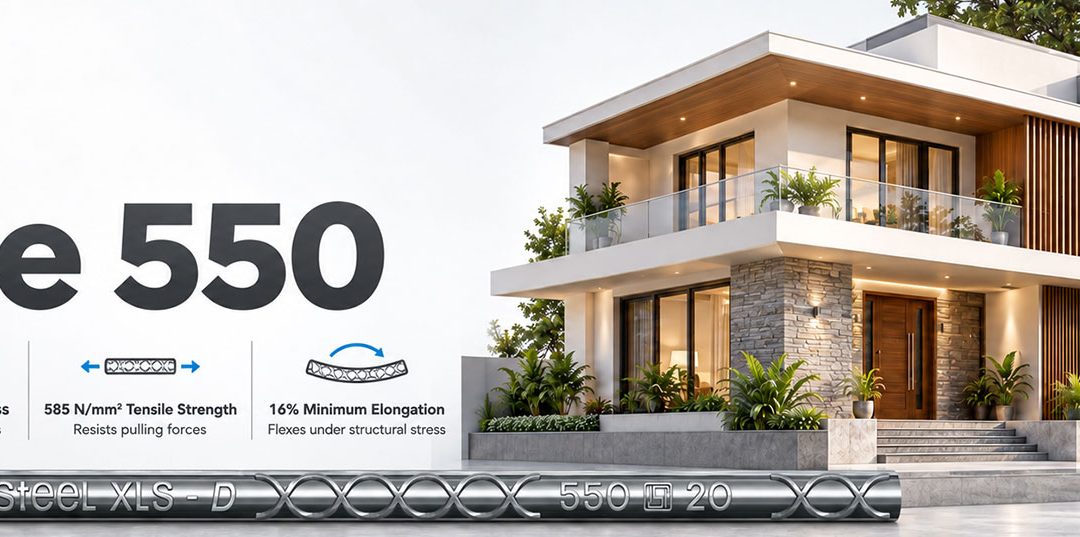
Best Reinforcement Steel for Buildings: What Your Home Deserves and What Most Builders Never Tell You
Every home tells a story. The design, the rooms, the finishes these are the chapters that families remember. But behind every…
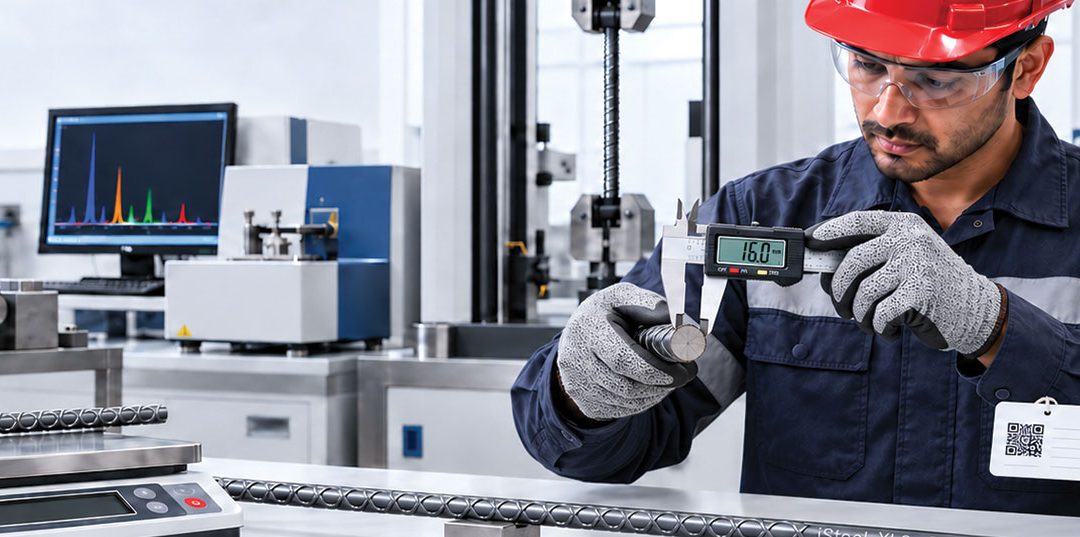
Steel Quality Assurance Services: Ensuring Strength, Safety and Reliability in Construction
Steel is one of the most important materials used in modern construction. From residential homes and commercial buildings…
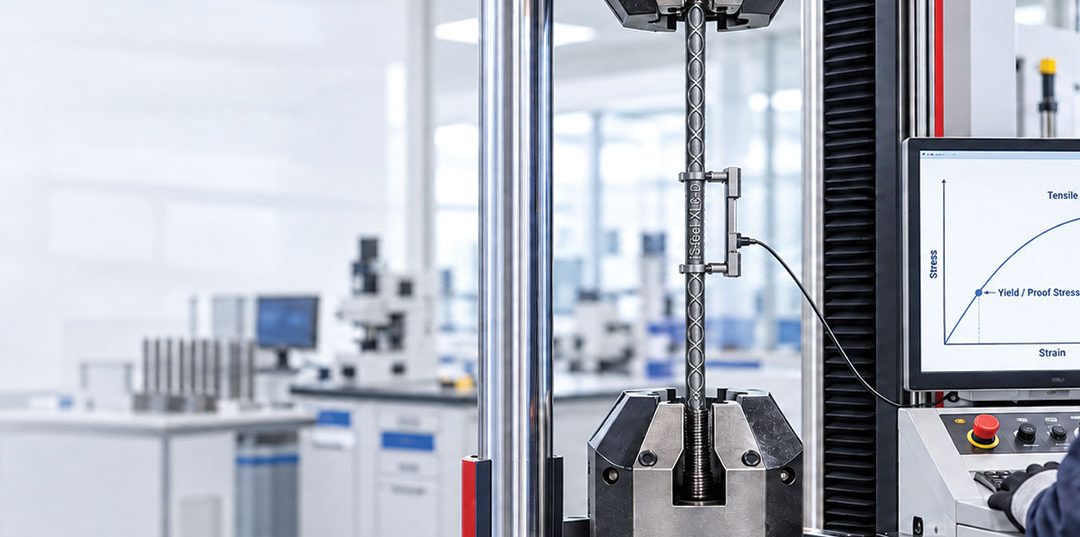
TMT Tensile Strength Testing: Why It Matters for Strong and Safe Construction
When it comes to building a safe and durable structure, the quality of reinforcement steel plays a critical role. TMT bars are…
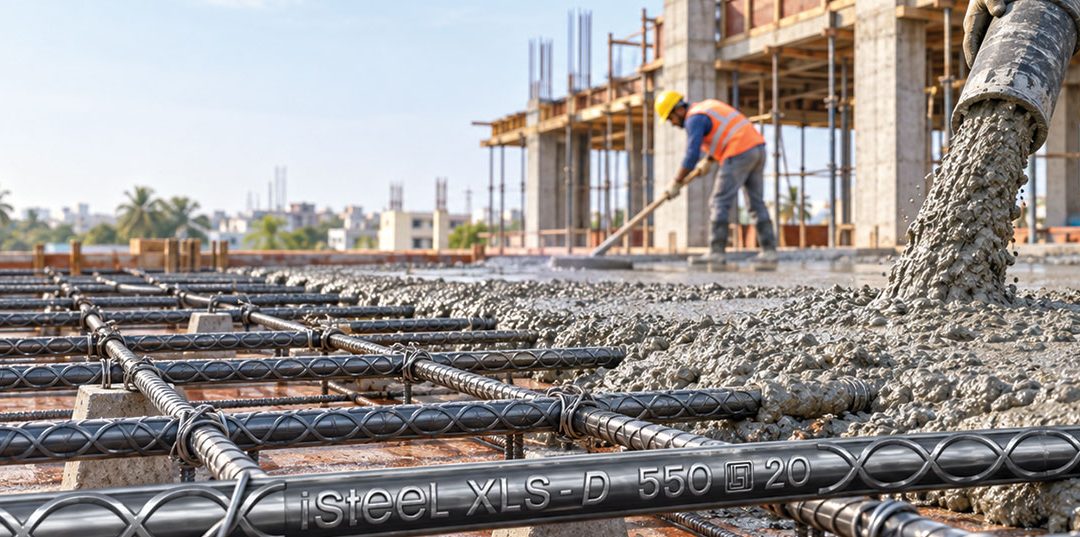
Steel for RCC Construction: What Your Contractor Doesn’t Tell You And What Could Cost You Lakhs Later
Most homeowners in Chennai and Tamil Nadu spend months choosing floor tiles, kitchen fittings, and paint colours for their new home…
Best 550 TMT Bars: A Complete Guide to Stronger and Long-Lasting Construction
Best 550 TMT bars are an important choice for modern construction projects that require high strength, durability, flexibility…
India’s No 1 TMT Bar: Building Stronger Foundations for a Safer Tomorrow
India’s No 1 TMT bar is more than just a construction material; it is an essential part of building structures that are designed…
What Separates the Best Steel Company From Every Other? A Builder’s Guide to Choosing Steel That Never Compromises
Every steel supplier will tell you they are the best. They will show you certifications, quote competitive rates, and promise reliable…