

Modern Construction Steel Solutions: Building Stronger, Smarter and More Durable Structures
Today, modern construction steel solutions go beyond conventional reinforcement materials. They include high-quality TMT bars, corrosion-resistant steel products, ready-made reinforcement components, and steel testing services. Together, these solutions address different construction challenges and help builders, contractors, engineers, and developers make informed decisions.
Understanding the available steel products and their applications is an important step towards planning reliable construction projects.
What Are Modern Construction Steel Solutions?
Modern construction steel solutions include steel products and related services designed to meet the changing requirements of the construction industry. Depending on the project, these may include reinforcement bars for concrete structures, galvanised steel for additional corrosion protection, ready-made reinforcement for efficient installation, and quality testing services for verifying material properties.
The objective is to select steel that meets the required specifications while supporting construction efficiency and long-term performance.
Factors such as strength, flexibility, ductility, dimensional accuracy, corrosion protection, and manufacturing consistency all contribute to steel quality. Choosing suitable products according to the project’s requirements can help construction teams manage materials more effectively and maintain the quality expected from the finished structure.
1. TMT Bars for Strength and Flexibility
Thermo-Mechanically Treated (TMT) bars are widely used in reinforced concrete construction. They provide tensile reinforcement that helps concrete structures withstand the forces they are designed to handle.
Concrete performs well under compression but has comparatively low tensile strength. Reinforcement steel works with concrete to provide the mechanical properties needed for structural applications such as foundations, columns, beams, slabs, and retaining walls.
However, TMT bar quality should not be measured by strength alone. Flexibility and ductility are also important properties because reinforcement needs to accommodate deformation under appropriate loading conditions.
When selecting TMT bars, construction professionals should consider yield strength, tensile strength, elongation, bend performance, and compliance with applicable standards. The correct grade and dimensions should always be determined according to structural design and project requirements.
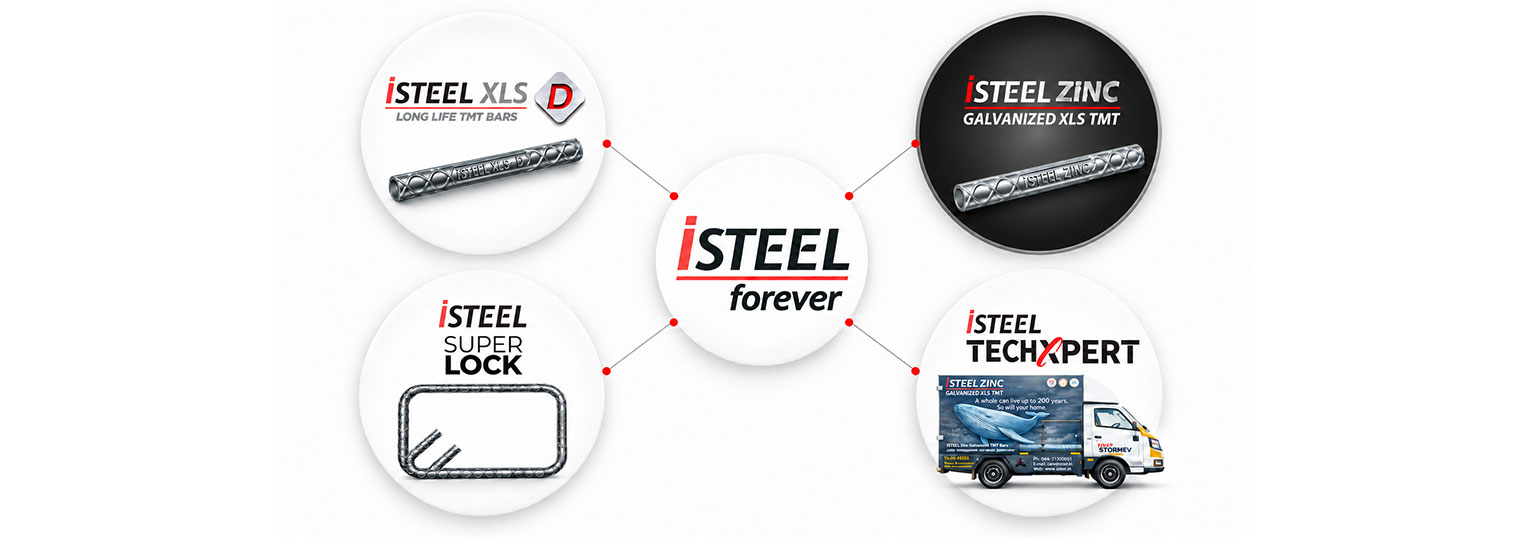
iSTEEL offers XLS-D TMT bars for reinforcement applications. Reviewing product specifications and relevant test documentation can help buyers understand the properties of the steel and determine whether it meets their project’s requirements.
Choosing suitable reinforcement steel is an important part of creating structures that meet their intended design specifications.
2. Corrosion-Resistant Steel for Long-Term Durability
Durability is another important consideration when selecting steel for construction. Reinforcement may be exposed to moisture, coastal conditions, chlorides, and other environmental factors that increase the risk of corrosion.
Over time, corrosion can affect the reinforcement and surrounding concrete, potentially increasing maintenance requirements and affecting structural durability.
Galvanised steel uses a zinc coating to provide an additional protective layer against corrosion. Depending on the product and application, this can be an important consideration for projects where environmental exposure presents additional challenges.
iSTEEL offers Zinc Galvanised XLS TMT bars for applications where additional corrosion protection is desired.
The suitability of galvanised reinforcement depends on the project’s environmental conditions, structural requirements, product specifications, and applicable standards. Proper concrete cover, appropriate concrete quality, good workmanship, and correct installation remain essential for long-term durability.
Selecting steel with suitable protective characteristics as part of a broader durability strategy can help construction professionals make informed material decisions.
3. Ready Made Steel for Efficient Construction
Reinforcement preparation is an important part of construction planning. At many sites, steel needs to be measured, cut, bent, and organised according to structural drawings and bar bending schedules. These activities require labour, equipment, storage space, and coordination.
Ready Made Steel (RMS) offers an alternative by supplying reinforcement components prepared according to specified shapes and sizes.
This approach can provide several practical benefits.
Reduced on-site preparation: Pre-cut and pre-bent reinforcement can reduce the amount of cutting and bending required at the construction site.
Improved dimensional consistency: Components prepared according to specified measurements can help construction teams organise reinforcement placement.
Better material planning: Preparing steel according to approved bar bending schedules supports more structured material management.
Potentially reduced wastage: Accurate cutting plans and organised processing can help minimise avoidable material waste.
Improved workflow: Reducing some preparation activities at the site can help teams coordinate reinforcement work with other construction tasks.
iSTEEL Ready Made Steel provides reinforcement components manufactured to specified shapes and sizes. This solution can be useful for projects with substantial reinforcement requirements or demanding construction schedules.
However, ready-made reinforcement must still follow approved structural drawings and engineering specifications. Correct placement and installation remain essential for achieving the intended structural performance.
4. Steel Quality Assurance and Testing
Selecting an appropriate steel product is only one part of responsible construction. Verifying its quality is equally important.
Steel quality assurance involves evaluating whether the supplied material meets the applicable specifications and standards. Depending on the product and testing requirements, this may include tensile strength testing, bend and re-bend tests, chemical analysis, dimensional verification, and surface inspection.
These checks help construction professionals assess important material properties rather than relying only on appearance or product descriptions.
A comprehensive quality assurance process also includes manufacturing controls, equipment calibration, sampling procedures, batch traceability, documented test results, and corrective action when requirements are not met.
iSTEEL offers a Mobile Steel Testing Lab designed to bring selected testing capabilities closer to construction sites and dealer locations. Depending on the particular facility and its available equipment, the mobile lab can support relevant steel quality checks.
Not every advanced test can be performed on-site. Certain specialised investigations may require factory or laboratory facilities, depending on the testing method and approved scope.
Understanding the available testing capabilities helps customers determine which checks can be conducted at the site and which require further laboratory evaluation.
5. How to Choose the Right Steel for Your Construction Project
Every construction project has unique requirements. A residential building may have different material needs from a commercial complex, industrial facility, or infrastructure development.
Choosing suitable steel requires consideration of several factors.
Structural Requirements
The grade, diameter, spacing, and reinforcement arrangement should follow the approved structural design. Engineers determine the appropriate reinforcement according to loading conditions, design requirements, and applicable standards.
Environmental Conditions
Moisture, coastal exposure, and chlorides may affect the selection of corrosion protection measures. Understanding the site’s environment can help determine which steel products and durability practices are appropriate.
Construction Timelines
Where reinforcement preparation is complex or schedules are demanding, ready-made steel may help reduce on-site processing and support better coordination.
Quality Documentation
Product specifications, relevant certifications, batch information, and test reports help buyers evaluate whether steel meets the required standards.
Supplier Reliability
A dependable steel supplier can help maintain consistent product availability and provide appropriate technical documentation. Clear product information also makes it easier for contractors and engineers to verify material suitability.
Considering these factors together helps construction professionals select steel based on project requirements rather than price alone.
6. The Importance of Manufacturing Consistency
The quality of construction steel depends not only on its specified properties but also on maintaining consistency during manufacturing.
Manufacturing controls help ensure that products are produced according to defined requirements. Testing and inspection can identify variations in mechanical properties, dimensions, chemical composition, and other relevant characteristics.
Traceability is another important part of quality management. Batch information and test documentation help connect supplied materials with their manufacturing and quality records.
For construction professionals, consistent products and appropriate documentation make it easier to assess material quality across different deliveries.
Quality assurance should therefore be viewed as an ongoing process rather than a single inspection performed after production.
7. Why Strength, Flexibility and Durability Matter Together
Modern construction requires steel with properties appropriate for its intended application. Strength helps reinforcement withstand specified tensile forces, while ductility enables it to accommodate deformation under appropriate conditions.
Dimensional consistency contributes to meeting project specifications, while suitable corrosion protection may be important in challenging environments. Manufacturing quality and testing provide further information about whether the steel meets the required standards.
These characteristics should be evaluated together rather than relying on a single strength value as the only indicator of quality.
The right approach is to select products based on engineering requirements and verify their properties through appropriate quality checks.
When combined with sound structural design, proper installation, and good construction practices, suitable steel products contribute to reliable reinforced concrete construction.
Why Consider iSTEEL for Modern Construction Steel Solutions?
Choosing steel for a construction project involves more than purchasing reinforcement bars. Builders and contractors may also need corrosion-resistant options, prepared reinforcement components, and appropriate testing services.
iSTEEL offers a range of steel products and services designed to address these different requirements, including XLS-D TMT bars, Zinc Galvanised XLS TMT bars, Ready Made Steel, and its Mobile Steel Testing Lab.
These options provide construction professionals with different ways to approach reinforcement selection, material preparation, and quality verification.
Before choosing a product, customers should review its technical specifications, confirm that it meets their project requirements, and consult the relevant engineering professionals where necessary.
Conclusion:
Successful construction depends on the right combination of structural design, material selection, quality assurance, and workmanship. Modern construction steel solutions help address these requirements through reinforcement steel, corrosion-resistant products, ready-made components, and appropriate testing services.
Whether you are planning a residential home, a commercial building, or a larger infrastructure project, considering steel quality, flexibility, durability, and installation efficiency is an important part of construction planning.
iSTEEL brings together these product and service categories to support different construction requirements. By selecting suitable materials and verifying their quality, builders and contractors can make informed decisions throughout the construction process.
Other Blogs
Best Reinforcement Steel for Buildings: What Your Home Deserves and What Most Builders Never Tell You
Every home tells a story. The design, the rooms, the finishes these are the chapters that families remember. But behind every…
Steel Quality Assurance Services: Ensuring Strength, Safety and Reliability in Construction
Steel is one of the most important materials used in modern construction. From residential homes and commercial buildings…
TMT Tensile Strength Testing: Why It Matters for Strong and Safe Construction
When it comes to building a safe and durable structure, the quality of reinforcement steel plays a critical role. TMT bars are…
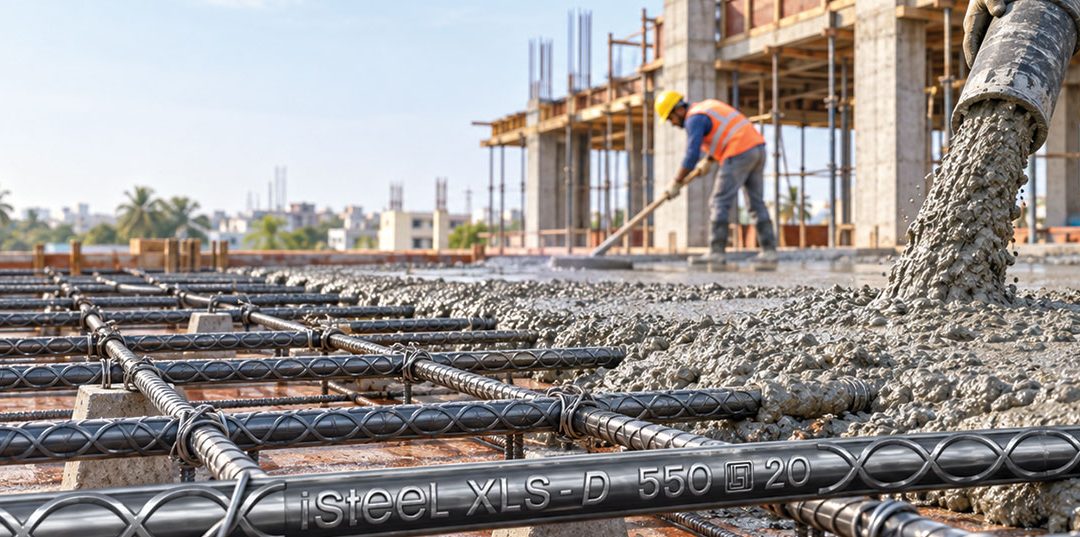
Steel for RCC Construction: What Your Contractor Doesn’t Tell You And What Could Cost You Lakhs Later
Most homeowners in Chennai and Tamil Nadu spend months choosing floor tiles, kitchen fittings, and paint colours for their new home…
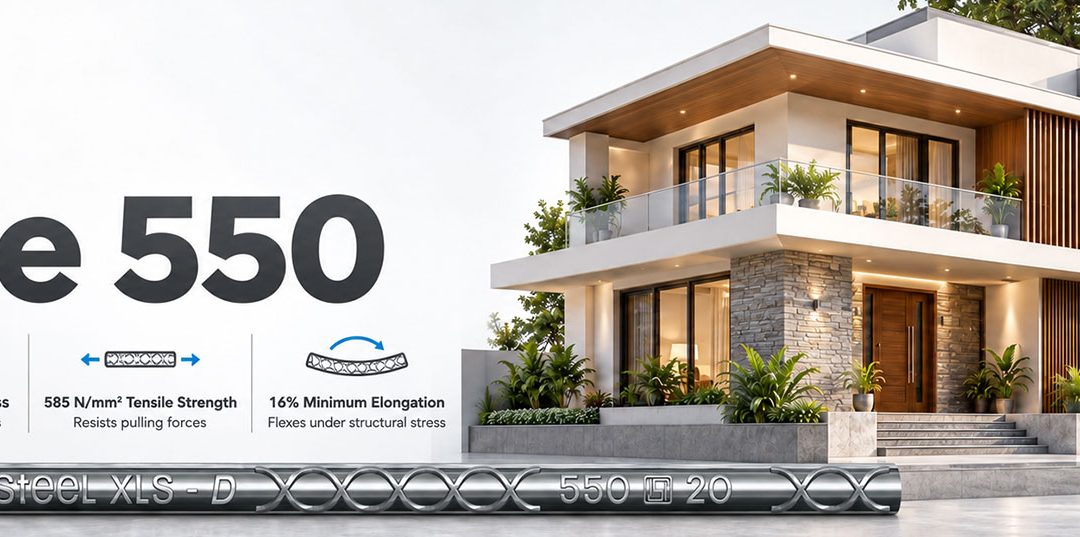
Best 550 TMT Bars: A Complete Guide to Stronger and Long-Lasting Construction
Best 550 TMT bars are an important choice for modern construction projects that require high strength, durability, flexibility…
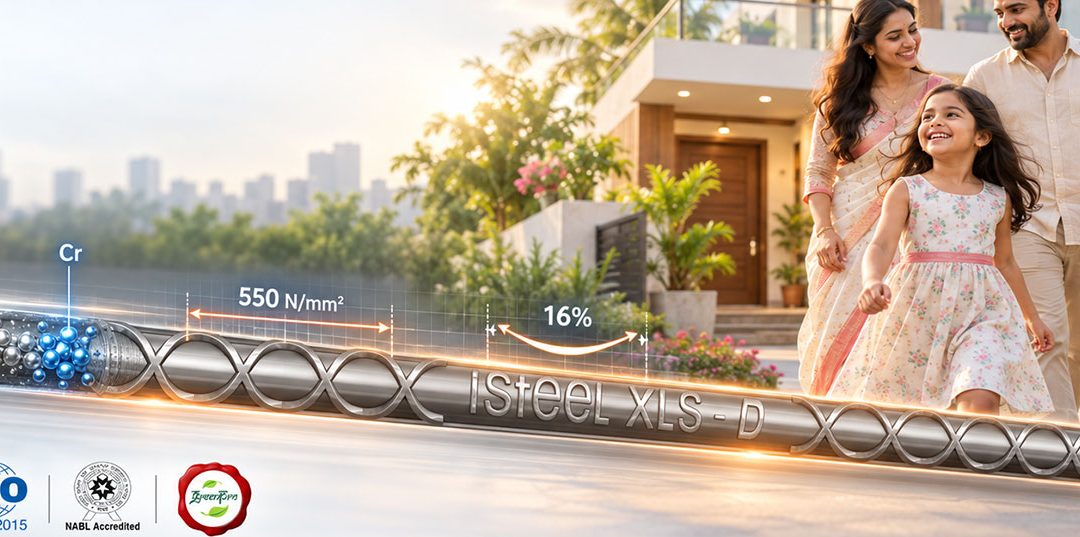
India’s No 1 TMT Bar: Building Stronger Foundations for a Safer Tomorrow
India’s No 1 TMT bar is more than just a construction material; it is an essential part of building structures that are designed…
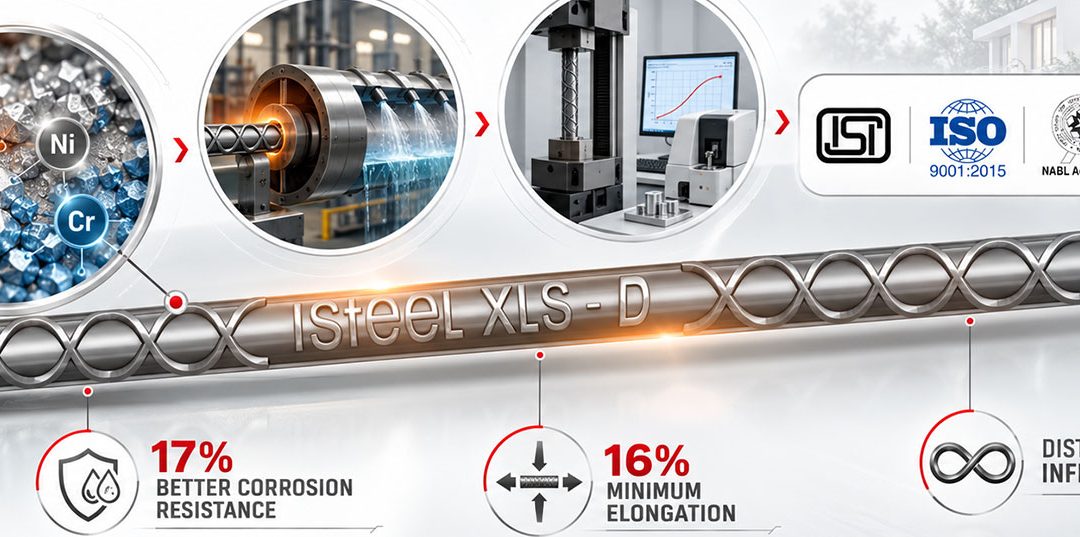
What Separates the Best Steel Company From Every Other? A Builder’s Guide to Choosing Steel That Never Compromises
Every steel supplier will tell you they are the best. They will show you certifications, quote competitive rates, and promise reliable…

Top TMT Bar Manufacturers in Tamil Nadu: What Separates a Premium Steel Brand From a Commodity Supplier
Tamil Nadu is building at a pace that is reshaping its skyline, coastline, and economic geography all at once. From Chennai’s…
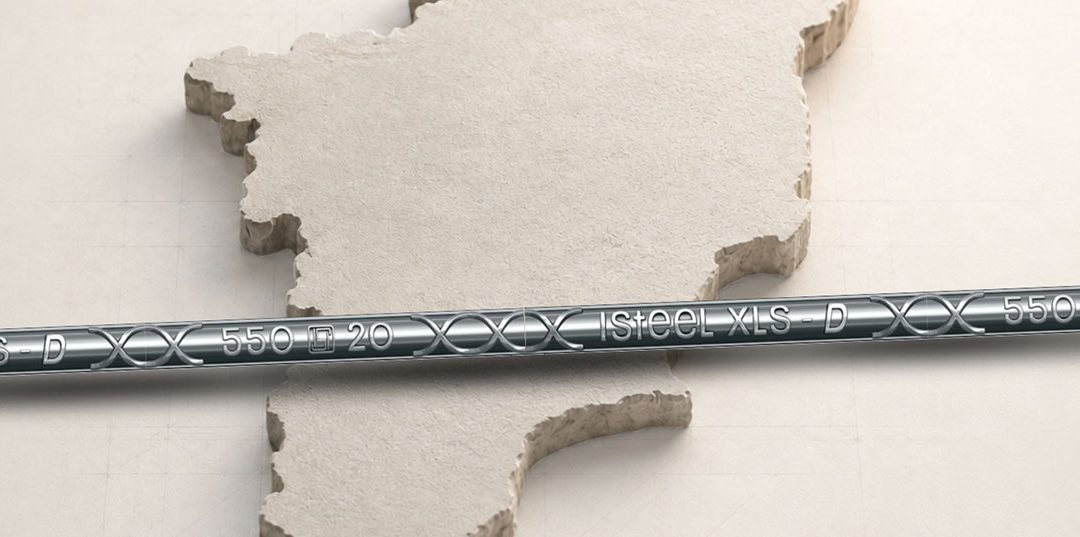
Best TMT Bars in Tamil Nadu: What “Best” Really Means When a Home Has to Last 50 Years
Ask ten people what the best TMT bars in Tamil Nadu are and you will get ten different…
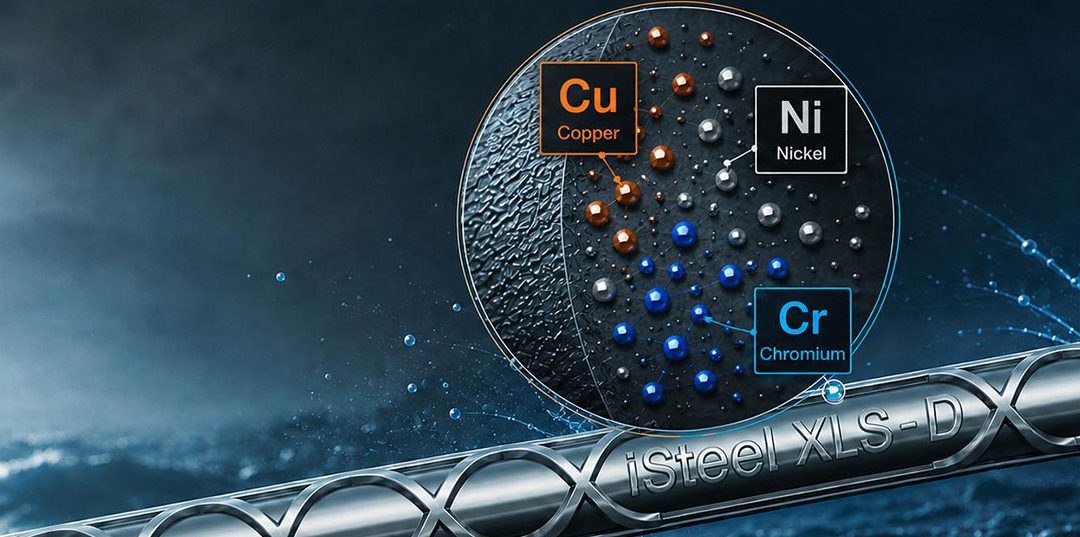
Best TMT Steel for Long Lasting Homes: What Every Homeowner in Tamil Nadu Needs to Know Before Construction Begins
When a family builds a home, they are not building for five years or ten years. They are building for a lifetime and often, for the generation…