

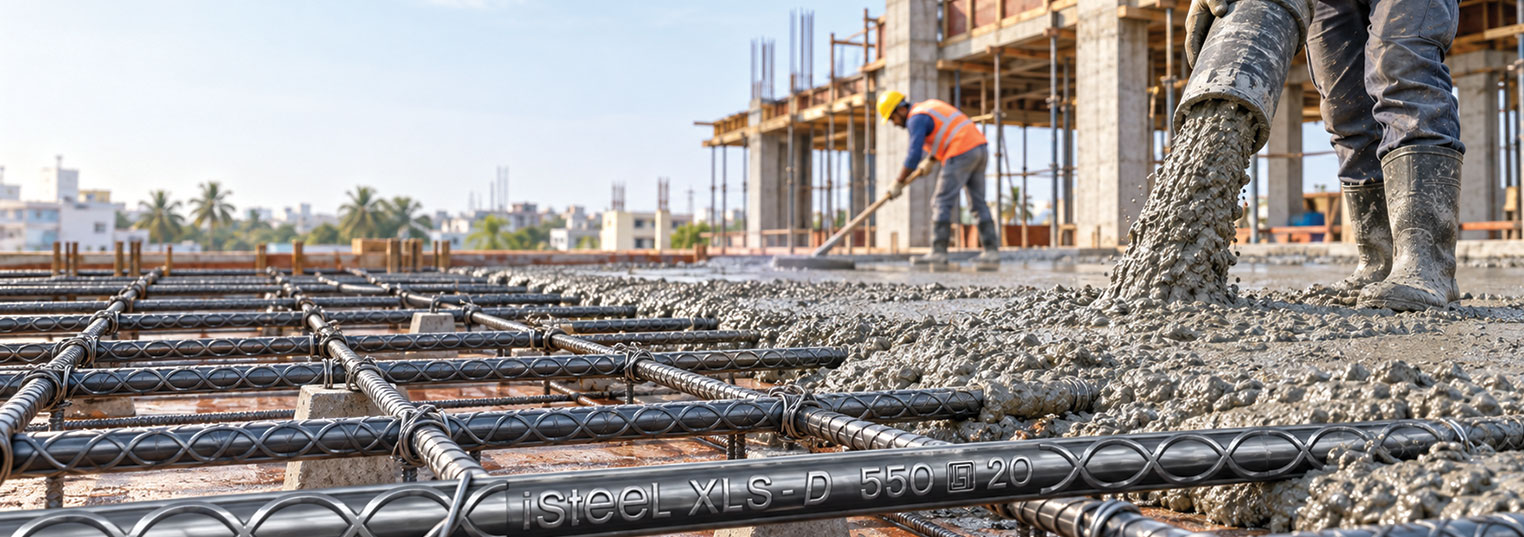
Steel for RCC Construction: What Your Contractor Doesn’t Tell You And What Could Cost You Lakhs Later
This is one of the most consequential blind spots in residential construction. Steel for RCC construction is invisible once the concrete sets. It cannot be inspected, upgraded, or replaced without demolition. And in Tamil Nadu’s coastal and humid environment, the quality of that steel is being tested every single day for the entire life of the structure.
This blog is for homeowners, first-time builders, and property buyers who want to understand what is really at stake in the steel decision and what genuine quality looks like when it comes to RCC reinforcement.
First: What Is RCC and Why Does Steel Make or Break It?
RCC Reinforced Cement Concrete is the structural system used in virtually every building constructed in Tamil Nadu today. Columns, beams, slabs, foundations, staircases, water tanks all of these elements are RCC.
Here is the fundamental engineering reality of RCC: concrete is extraordinarily strong under compression it handles the weight pressing down on it very well. But concrete is weak under tension the pulling, bending, and stretching forces that occur in beams, slabs, and columns under real-world loading conditions. Left alone, concrete cracks and fails under these tensile stresses.
Steel does the opposite. It has exceptional tensile strength it resists pulling forces brilliantly. When steel bars are embedded in concrete in the right positions and quantities, they absorb the tensile stress that concrete cannot handle. The result is a composite structural system Reinforced Cement Concrete that combines the best of both materials.
Remove the steel, reduce its strength, or allow it to corrode and lose its cross-section and the composite system begins to fail. The concrete that could not handle tension alone is now carrying loads it was never designed for. Cracks appear. Concrete spalls. In severe cases, structural elements fail.
The steel inside your RCC structure is not a passive filler. It is an active structural participant and its quality determines the structural integrity of everything above it.
The Specific Threat Tamil Nadu’s Climate Poses to RCC Steel
Generic construction advice applies to average conditions. Tamil Nadu’s conditions are not average they are among the most demanding for reinforcement steel in India.
Chennai and the Coastal Belt: Salt in the Air, Every Day
Chennai sits on the Coromandel Coast, and marine aerosols microscopic salt particles carried inland by sea breezes are a constant presence across the city and its suburbs. These aerosols deposit chloride ions on and into building surfaces every day. Over time, chloride ions penetrate concrete and reach the embedded steel, triggering an electrochemical corrosion reaction that standard TMT bars have limited ability to resist.
The same threat extends along the entire Tamil Nadu coastline through Pondicherry, Cuddalore, Nagapattinam, Rameswaram, and Thoothukudi. Any structure within 15–20 km of the coast faces meaningful chloride exposure throughout its service life.
Humidity: The Year-Round Moisture Challenge
Even away from the coast, Tamil Nadu’s humidity levels elevated for large parts of the year due to two monsoon seasons and the state’s geography create persistent moisture conditions that accelerate corrosion in structures with inadequate concrete cover or micro-cracking. Interior districts like Madurai, Salem, and Erode are not immune to corrosion risk; they simply face a different and slightly slower version of it.
Groundwater Salinity in Delta and Coastal Districts
In the Cauvery delta districts Thanjavur, Tiruvarur, Nagapattinam and in many coastal zones, groundwater carries elevated chloride and sulphate concentrations. Below-grade RCC elements foundations, basement walls, ground beams, underground sumps in these areas are in direct contact with aggressive soil moisture throughout their service life. Standard TMT reinforcement in these conditions can begin showing measurable corrosion within 10 years of construction.
What Happens When Steel Corrodes Inside Your RCC Structure
Understanding the corrosion process helps homeowners and builders appreciate why steel quality matters so much and why the damage is almost always worse than it looks from the outside.
When steel corrodes, it does not simply weaken in place. It expands. Rust (iron oxide) occupies up to six times the volume of the original steel it replaces. Inside a concrete column or beam, this expansion has nowhere to go. The corroding bar pushes outward against the surrounding concrete with enormous force generating tensile stress that concrete, with its limited tensile strength, cannot resist.
The result is cracking and spalling concrete breaking away from the structure in chunks, exposing the corroded steel beneath. By the time this is visible on the surface of a wall or ceiling, the structural damage has been progressing for years. The steel has already lost significant cross-sectional area. The bond between steel and concrete which is what makes RCC work has been compromised at the corrosion interface.
In Chennai’s coastal localities, this sequence corrosion initiation, internal expansion, cracking, spalling can complete within 15–20 years in structures built with standard TMT bars. The repair bills are significant. The structural risk is real. And it was entirely preventable with the right steel choice at construction time.
What Genuinely Good Steel for RCC Construction Looks Like
Most buyers judge steel by what they can see: the bar’s surface finish, its weight, and the certificate the supplier hands over. None of these tell the full story. Here is what actually defines steel quality for RCC construction in Tamil Nadu:
1. Yield Strength: Verified, Not Just Claimed
Yield strength measured in N/mm² is the load the bar carries before permanent deformation begins. iSTEEL manufactures Fe500 and Fe550 grade TMT bars, meeting IS 1786 minimum yield strength requirements of 500 N/mm² and 550 N/mm² respectively. The critical word is “verified” not claimed on a generic certificate, but confirmed for the specific batch delivered to your site.
iSTEEL’s Mobile Steel Testing Van makes this verification possible at the construction site itself a level of accountability that is unique in Tamil Nadu’s steel supply chain.
2. Corrosion Resistance: Metallurgical, Not Cosmetic
There is an important distinction between steel that looks corrosion resistant and steel that is metallurgically engineered to be corrosion resistant. Surface treatments oiling, painting, epoxy coating provide temporary protection that is damaged during cutting, bending, and handling on site, leaving the steel vulnerable at exactly the points where it is most stressed.
iSTEEL’s XLS-D corrosion resistance is different. It is built into the steel’s alloy composition copper and chromium additions at controlled proportions that create a denser, more protective oxide layer throughout the bar’s cross-section. This protection is present at every cut surface, every bend point, and every inch of the bar embedded in concrete. It does not wear off. It does not get damaged by site handling. It is active for the entire service life of the structure.
3. BIS IS 1786 Certification: The Non-Negotiable Baseline
Bureau of Indian Standards certification under IS 1786 is the minimum credibility requirement for structural reinforcement steel in India. It independently verifies that the product has been tested and meets specified requirements for yield strength, tensile strength, elongation, and dimensional tolerances.
iSTEEL carries current BIS IS 1786 certification across its product grades. More importantly, iSTEEL treats this as a baseline not a ceiling. The XLS-D specification adds corrosion resistance performance on top of the BIS-certified strength and dimensional requirements.
4. Rib Geometry: The Bond That Makes RCC Work
The ribs on a deformed TMT bar are not cosmetic they create mechanical interlock with the surrounding concrete that enables load transfer between the two materials. Poor rib geometry inconsistent height, spacing, or angle weakens this bond and reduces the effective structural performance of the reinforced section.
iSTEEL’s manufacturing process maintains consistent rib geometry across production runs, ensuring reliable bond performance in every structural element columns, beams, slabs, and foundations alike.
5. Batch Consistency: Every Bar, Not Just the Test Sample
A test certificate represents one or a few samples from a production batch. What matters for your structure is whether every bar in your delivery and every subsequent delivery matches the tested sample. Batch-to-batch variation is the quality gap that most suppliers are silent about.
iSTEEL’s in-process quality monitoring system tracks quality parameters at multiple stages of production from raw material to finished bar. Combined with the Mobile Steel Testing Van’s on-site verification capability, iSTEEL offers the closest thing to complete quality transparency available in Tamil Nadu’s steel market.
The Homeowner’s Guide to RCC Steel: Questions to Ask Before You Build
If you are building a home in Chennai or Tamil Nadu, these are the questions that should be part of your contractor conversations and where the answers will tell you a great deal about the quality of the project you are commissioning:
- What steel brand and grade are you planning to use? Is it BIS IS 1786 certified for that grade?
- Can you share the chemical composition test report for the batch being supplied not a generic certificate?
- Does the steel have enhanced corrosion resistance? What alloying elements are present and at what levels?
- Can the steel be tested on-site before it goes into my structure’s concrete?
- Why are you recommending this brand over alternatives? What is the quality basis for that recommendation?
A contractor who answers these questions with specific, verifiable data rather than vague reassurances about “good quality” and “reputed brands” is demonstrating the level of professionalism your construction investment deserves. And a steel brand that enables those answers through BIS certification, batch documentation, and on-site testing is demonstrating product confidence that should inform your choice.
iSTEEL is designed to make these conversations possible. The Mobile Steel Testing Van exists precisely so that homeowners and builders can get real answers, not just assurances.
Common Mistakes Homeowners Make When Choosing Steel for RCC Construction
Mistake 1: Letting Price Drive the Decision Entirely
Steel is typically 20–25% of a residential construction budget. A saving of ₹3–5 per kg across 20–30 tonnes of steel (typical for a mid-sized home) represents ₹60,000–₹1.5 lakh at procurement time. If that saving comes at the cost of inadequate corrosion resistance in a coastal Chennai environment, the structural repair cost 15–20 years later can easily be ₹20–40 lakh. The arithmetic is not close.
Mistake 2: Trusting Visual Inspection
Rust on the surface of bars before use is one obvious problem but it is far from the only one. The properties that determine long-term structural performance chemical composition, internal microstructure, corrosion resistance, ductility are completely invisible. The only way to verify them is through testing. Visual inspection tells you almost nothing about what matters most.
Mistake 3: Assuming All Branded Steel Is Equal
Not all TMT bars marketed under recognisable brand names are manufactured to the same quality standards or carry the same corrosion resistance properties. The brand name is only as reliable as the quality assurance system behind it. Ask for BIS certification, batch-specific test data, and where available on-site verification. iSTEEL’s Mobile Steel Testing Van is designed specifically to enable this verification.
Mistake 4: Not Specifying Corrosion Resistance for Coastal Projects
Many homeowners in Chennai’s coastal localities Besant Nagar, Thiruvanmiyur, ECR, Nungambakkam, Adyar build with standard TMT bars because their contractor does not raise the corrosion resistance issue. The coastal context makes XLS-D specification not an upgrade but the correct baseline for any structure expected to last 40+ years. iSTEEL’s XLS-D bars are the answer to this specific and very common gap.
iSTEEL for RCC Construction: The Full Value Proposition
iSTEEL is built around a single core conviction: Tamil Nadu’s homeowners, builders, and engineers deserve steel that is genuinely engineered for the environment in which it will be used not generic steel relabelled for the local market.
For RCC construction specifically, iSTEEL delivers:
- Fe500 and Fe550 grades in XLS-D specification covering the full range of residential, commercial, and infrastructure structural requirements
- XLS-D corrosion resistance metallurgically engineered for Tamil Nadu’s coastal and humid conditions, active for the full service life of the structure
- BIS IS 1786 certification independently verified compliance with strength and dimensional specifications
- Mobile Steel Testing Van on-site quality verification that brings testing to the construction site, not just the laboratory
- In-process manufacturing quality control systematic monitoring that ensures batch consistency, not just sample-level compliance
- Distribution across Tamil Nadu from Chennai and its suburbs to Coimbatore, Madurai, Tiruchirappalli, Salem, and coastal districts
- Technical support for engineers and builders grade selection guidance, corrosion specification advice, and structural application support
What a 50-Year Home Needs From Its Steel
A home is the largest investment most Tamil Nadu families will ever make. When a family builds a home in Chennai, they are not building for today they are building for their children and, in many cases, their grandchildren. The home needs to stand safely through 50 monsoon seasons, 50 years of coastal humidity, and five decades of the temperature cycling, minor seismic activity, and structural loading that accumulated time brings.
The steel inside that home’s RCC frame will never be seen again after the concrete sets. It will never be maintained, inspected, or replaced. It will simply do its job or fail at it silently, invisibly, for half a century.
Getting that steel right is not a technical detail. It is the foundation of everything the home is meant to be: a safe, durable, lasting shelter for the people who matter most.
iSTEEL XLS-D is built for that responsibility. Scientifically tested. BIS certified. Corrosion engineered for Tamil Nadu. Built to protect homes for generations.
Conclusion
Steel for RCC construction in Tamil Nadu is not a commodity decision it is the most consequential material choice in any build, with consequences that unfold invisibly over decades. In a state where coastal corrosion, monsoon humidity, and rapid urban construction combine to create one of India’s most demanding environments for reinforcement steel, the choice of brand, grade, and corrosion specification matters enormously.
iSTEEL’s XLS-D TMT bars offer homeowners, builders, and engineers in Chennai and Tamil Nadu a steel solution built specifically for these conditions premium strength, proven corrosion resistance, BIS-certified quality, and the transparency of on-site testing through the Mobile Steel Testing Van.
Because the families who will live in the homes being built today deserve steel that protects them not just for the first decade, but for every decade after that. Choose iSTEEL. Build for generations.
Other Blogs
Modern Construction Steel Solutions: Building Stronger, Smarter and More Durable Structures
The construction industry is continuously evolving, with increasing demand for materials that offer strength, durability…
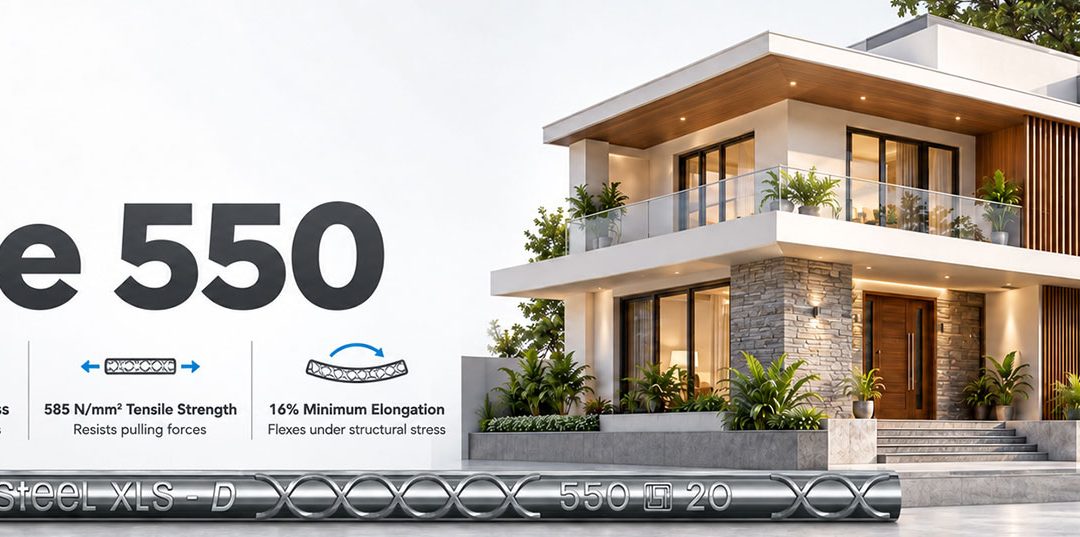
Best Reinforcement Steel for Buildings: What Your Home Deserves and What Most Builders Never Tell You
Every home tells a story. The design, the rooms, the finishes these are the chapters that families remember. But behind every…
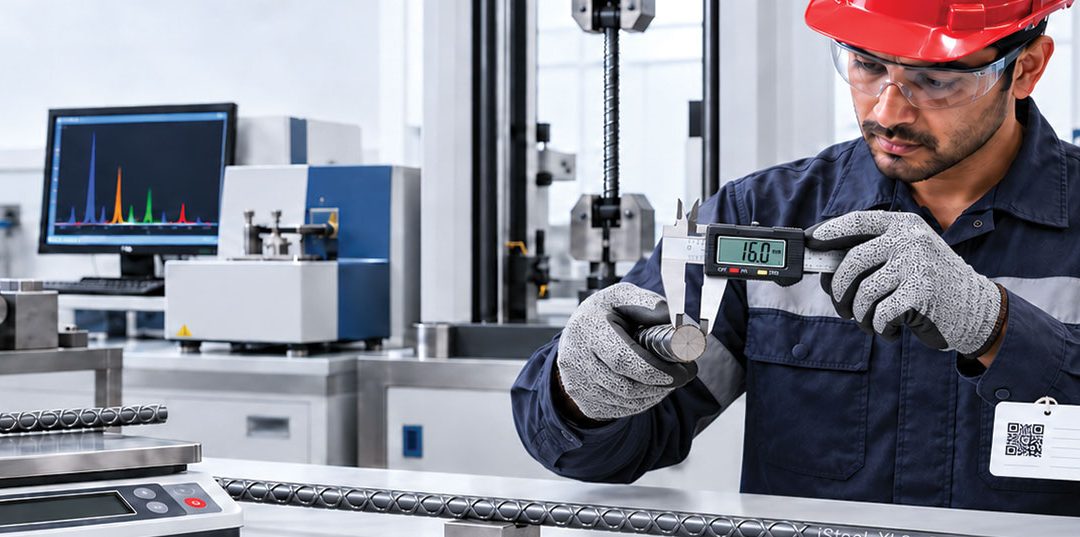
Steel Quality Assurance Services: Ensuring Strength, Safety and Reliability in Construction
Steel is one of the most important materials used in modern construction. From residential homes and commercial buildings…
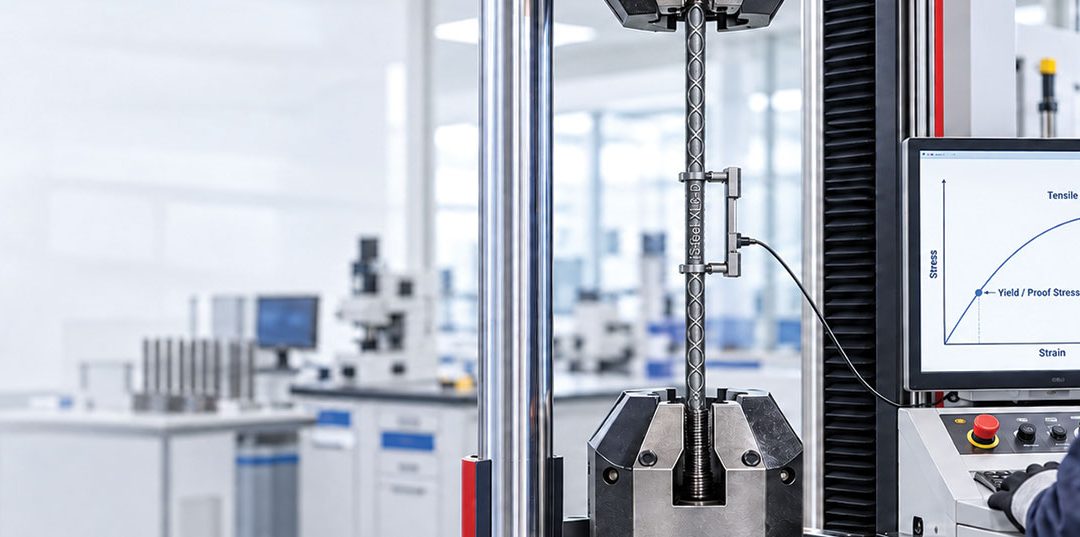
TMT Tensile Strength Testing: Why It Matters for Strong and Safe Construction
When it comes to building a safe and durable structure, the quality of reinforcement steel plays a critical role. TMT bars are…
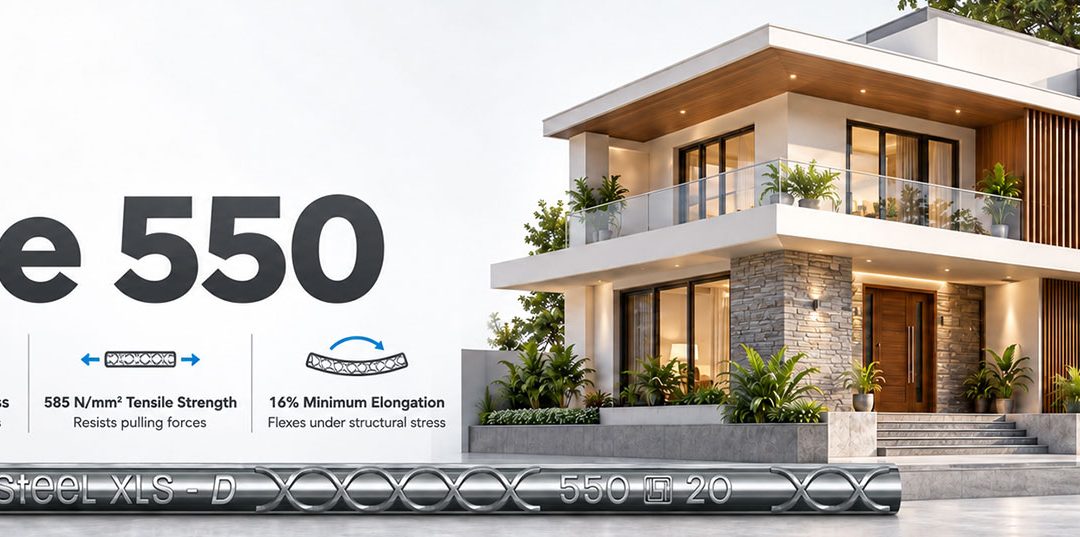
Best 550 TMT Bars: A Complete Guide to Stronger and Long-Lasting Construction
Best 550 TMT bars are an important choice for modern construction projects that require high strength, durability, flexibility…
India’s No 1 TMT Bar: Building Stronger Foundations for a Safer Tomorrow
India’s No 1 TMT bar is more than just a construction material; it is an essential part of building structures that are designed…
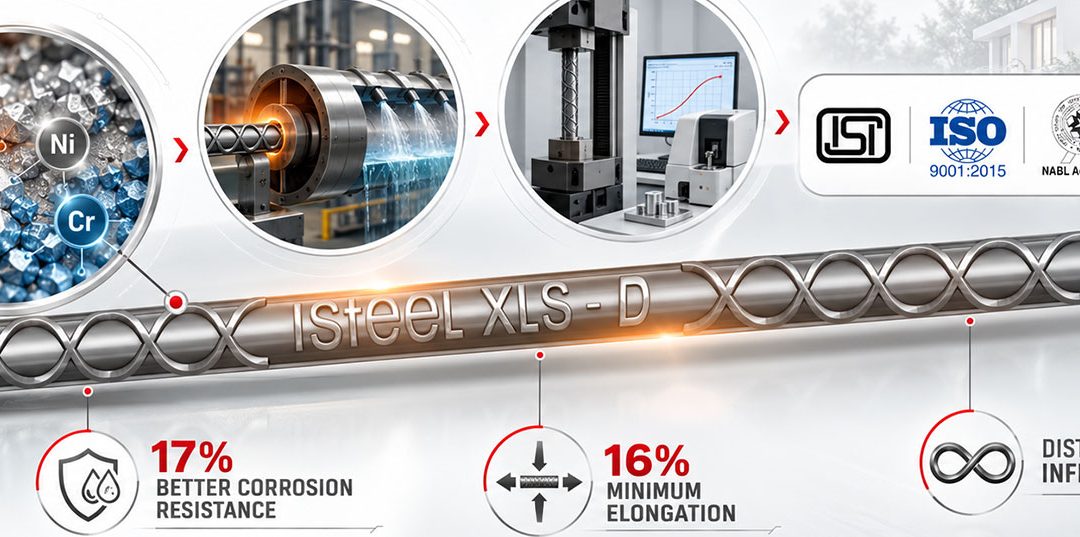
What Separates the Best Steel Company From Every Other? A Builder’s Guide to Choosing Steel That Never Compromises
Every steel supplier will tell you they are the best. They will show you certifications, quote competitive rates, and promise reliable…
Top TMT Bar Manufacturers in Tamil Nadu: What Separates a Premium Steel Brand From a Commodity Supplier
Tamil Nadu is building at a pace that is reshaping its skyline, coastline, and economic geography all at once. From Chennai’s…
Best TMT Bars in Tamil Nadu: What “Best” Really Means When a Home Has to Last 50 Years
Ask ten people what the best TMT bars in Tamil Nadu are and you will get ten different…
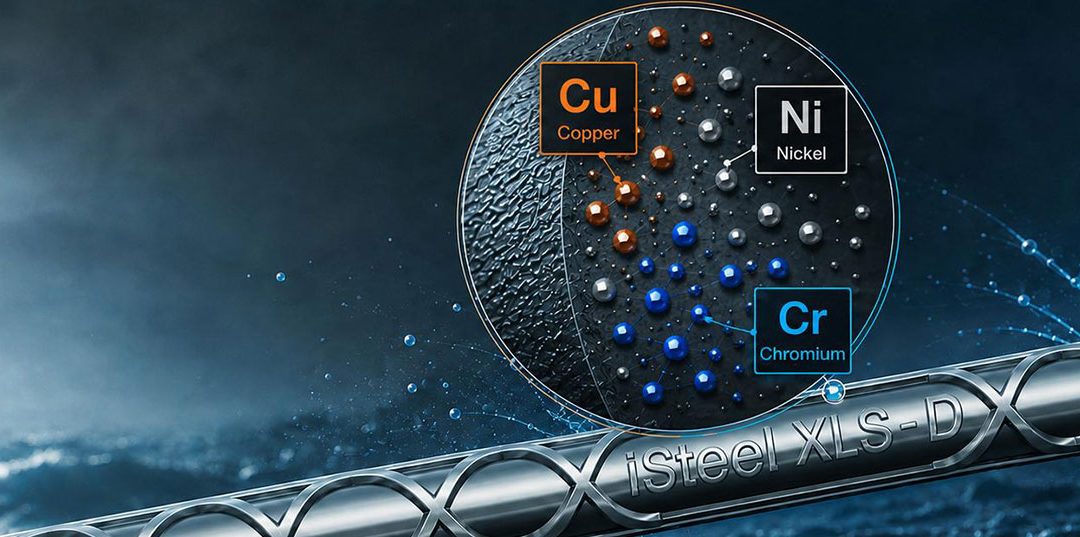
Best TMT Steel for Long Lasting Homes: What Every Homeowner in Tamil Nadu Needs to Know Before Construction Begins
When a family builds a home, they are not building for five years or ten years. They are building for a lifetime and often, for the generation…