

Earthquake Resistant TMT Bars: Building Stronger and Safer Structures
Thermo-Mechanically Treated (TMT) bars are widely used as reinforcement in concrete construction because they offer a combination of strength and ductility. Their properties make them suitable for residential buildings, commercial structures, industrial projects, bridges, and other applications where reliable reinforcement is required.
Why Are Earthquake Resistant TMT Bars Important?
Earthquakes generate complex forces that can cause buildings to sway, vibrate, and experience sudden changes in load. A structure therefore needs reinforcement that can help it absorb and redistribute these forces rather than failing in a brittle manner.
The performance of a building during an earthquake depends on several factors, including structural design, construction quality, foundation conditions, materials, detailing, and compliance with applicable building codes. TMT reinforcement is one component of this larger structural system.
Earthquake-resistant reinforcement is generally selected with particular attention to strength, ductility, weldability, elongation, and consistency. These characteristics can help reinforced concrete members perform more reliably under demanding loading conditions.
Key Characteristics of Earthquake Resistant TMT Bars
When selecting reinforcement for structures located in seismic-prone areas, engineers consider several material properties. Important characteristics include:
- High tensile strength: Helps reinforcement resist significant tensile forces within concrete members.
- Good ductility: Allows steel to deform under substantial loading before failure.
- Controlled chemical composition: Supports consistent mechanical performance and fabrication.
- Reliable elongation: Provides the deformation capacity required for structural performance.
- Strong bond with concrete: Helps reinforcement and concrete work together effectively.
- Consistent quality: Reduces variations in reinforcement performance across a project.
- Suitable weldability: Can be important for certain construction and fabrication requirements.
These characteristics should be considered along with the requirements specified by structural engineers and relevant construction standards.
How TMT Bars Support Seismic-Resistant Constructio
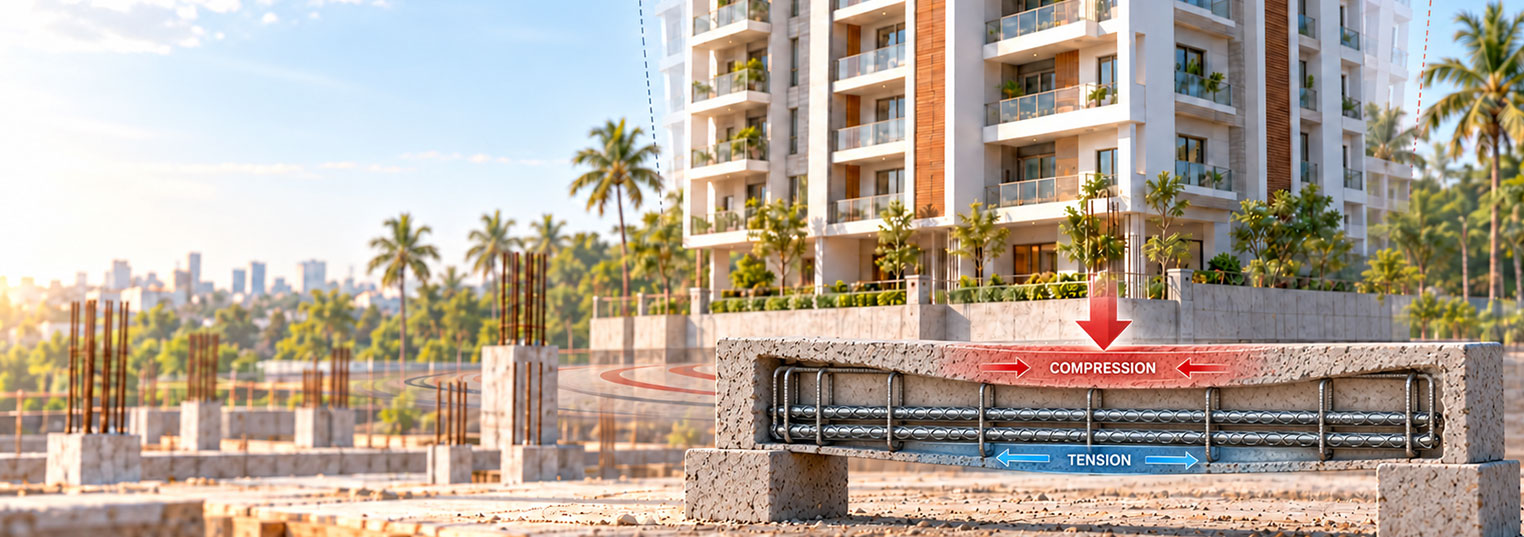
Concrete performs particularly well under compression, while steel reinforcement helps carry tensile stresses. In reinforced concrete structures, the two materials work together to resist different types of structural forces.
During seismic activity, structural members may experience repeated and reversing loads. Ductile reinforcement can undergo controlled deformation and help the structure dissipate energy through appropriately designed structural components and detailing.
However, simply using a particular type of reinforcement does not make a building earthquake-proof. Seismic resistance depends on the complete structural system. Proper engineering design, reinforcement detailing, concrete quality, construction practices, and compliance with relevant seismic design provisions are all essential.
Advantages of Using Quality TMT Reinforcement
Choosing high-quality TMT reinforcement can provide several benefits for construction projects when the material is appropriately specified and installed.
1. Strength and Structural Support
TMT bars provide the tensile reinforcement required in many reinforced concrete elements. Their strength helps structural components withstand the loads considered during design.
2. Ductility
Ductility is particularly important in seismic design. Reinforcement with suitable deformation characteristics can help structural members accommodate significant movement without sudden brittle failure.
3. Durability
Quality reinforcement with appropriate properties can contribute to the long-term durability of reinforced concrete structures. Proper concrete cover, mix quality, curing, and protection against corrosion are also essential.
4. Better Construction Performance
Consistent dimensions and mechanical properties can make reinforcement easier to handle, bend, place, and integrate into reinforced concrete work.
5. Versatile Applications
TMT reinforcement can be used across a wide range of construction projects, subject to the grade and specifications selected by the project engineer.
Where Are Earthquake Resistant TMT Bars Used?
Earthquake-conscious construction can involve many different types of structures. Reinforcement specifications vary according to structural design and project requirements.
Common applications include:
- Residential buildings
- Apartment complexes
- Commercial buildings
- Industrial structures
- Educational institutions
- Hospitals and healthcare facilities
- Bridges and infrastructure projects
- Public buildings
- Warehouses and large-scale developments
The appropriate grade and diameter of reinforcement should always be determined according to structural calculations, design drawings, and applicable standards.
Factors to Consider When Choosing TMT Bars
Selecting reinforcement is an important decision for any construction project. Buyers and project teams should consider more than just the nominal strength of the material.
Important Selection Factors
- Required grade and mechanical properties
- Yield strength and tensile strength
- Elongation and ductility
- Chemical composition
- Applicable quality standards
- Dimensional consistency
- Rib pattern and concrete bonding characteristics
- Corrosion resistance requirements
- Manufacturing quality and traceability
- Project-specific structural specifications
Quality documentation and appropriate testing can also help verify whether supplied reinforcement meets the specified requirements.
Importance of Standards and Quality Testing
Construction materials should comply with the standards and specifications applicable to the project. For reinforcement steel, testing can help verify important characteristics such as tensile strength, yield strength, elongation, bend performance, and chemical composition.
For seismic construction, it is particularly important to follow the reinforcement and detailing requirements specified by the structural design and applicable seismic provisions. Material selection should therefore be coordinated with the structural engineer rather than based solely on marketing terminology.
Building for Long-Term Structural Performance
Earthquake-resistant construction is about creating a structural system capable of responding to demanding conditions. High-quality reinforcement is one part of that process, but it must work together with appropriate concrete, structural detailing, foundations, workmanship, and construction supervision.
A properly designed structure should account for the loads and environmental conditions expected at the project location. Engineers may also consider factors such as soil characteristics, building configuration, structural irregularities, and the intended use of the building.
Using suitable reinforcement from a reliable manufacturer can support consistency throughout the construction process and help project teams maintain the specified material requirements.
Conclusion
Earthquake resistant TMT bars are an important consideration for reinforced concrete structures where ductility, strength, and reliable performance are required. Their role is particularly significant in seismic design, where structural members may experience repeated and dynamic forces.
However, earthquake resistance cannot be achieved through reinforcement alone. A safe and durable structure requires proper engineering, suitable materials, accurate reinforcement detailing, quality concrete, skilled construction, and compliance with applicable standards and seismic design requirements.
For construction projects that demand dependable reinforcement, selecting TMT bars with suitable mechanical properties and verified quality can provide an important foundation for structural performance. With the right material specifications and professional structural design, reinforced concrete structures can be developed with greater attention to strength, durability, and resilience.Earthquake resistant TMT bars can therefore be an important part of a comprehensive approach to constructing stronger and more resilient buildings.
Other Blogs
Strong Steel Bars for Construction: Building a Stronger Future
When it comes to construction, strength, durability, and safety are among the most important factors to consider. Whether…
Modern Construction Steel Solutions: Building Stronger, Smarter and More Durable Structures
The construction industry is continuously evolving, with increasing demand for materials that offer strength, durability…
Best Reinforcement Steel for Buildings: What Your Home Deserves and What Most Builders Never Tell You
Every home tells a story. The design, the rooms, the finishes these are the chapters that families remember. But behind every…
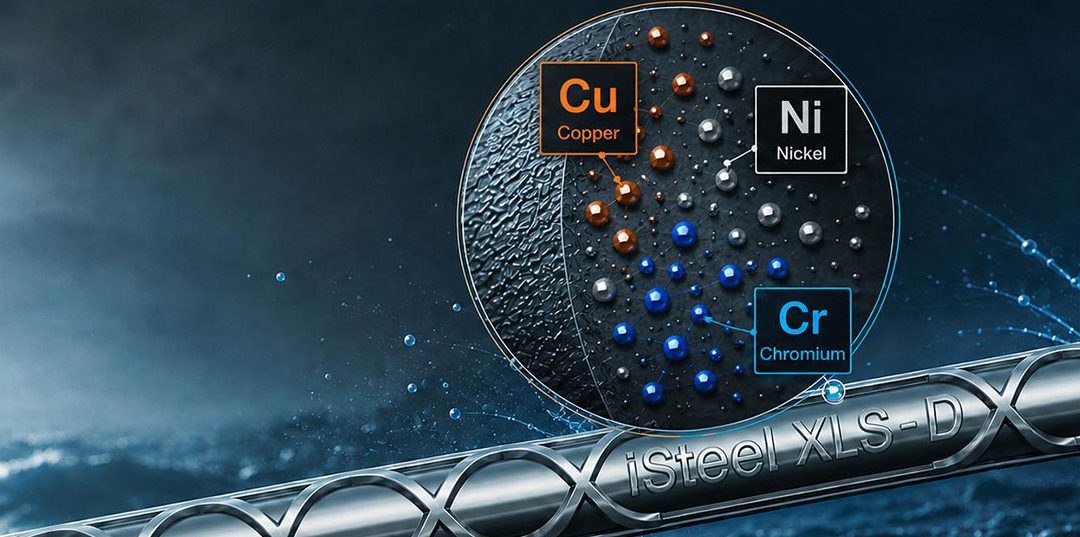
Anti Corrosion Steel Bars: The Silent Guardian Inside Every Wall, Column, and Beam of Your Home
There is a slow, invisible battle happening inside reinforced concrete structures across Chennai and Tamil Nadu. It begins…
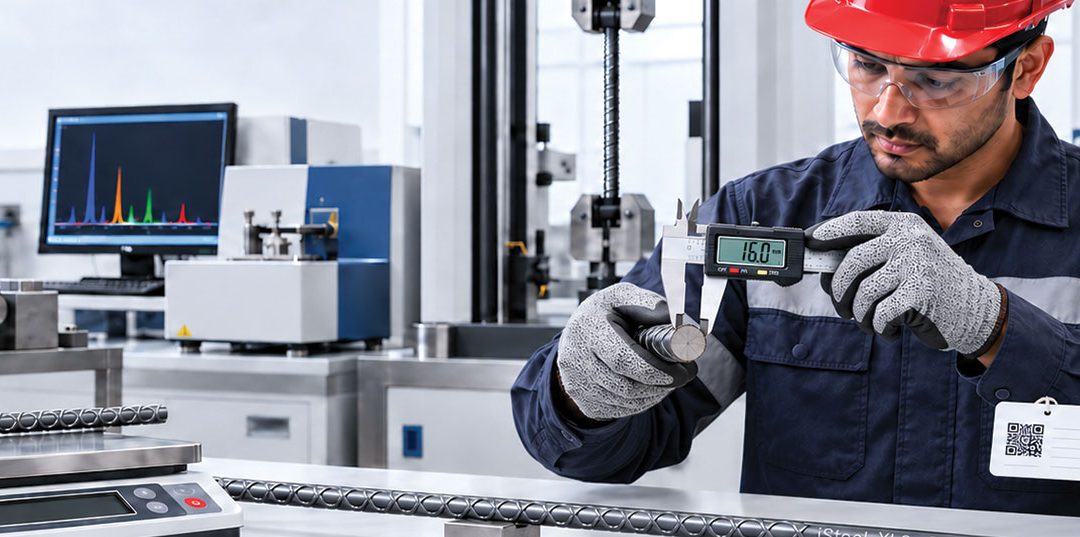
Steel Quality Assurance Services: Ensuring Strength, Safety and Reliability in Construction
Steel is one of the most important materials used in modern construction. From residential homes and commercial buildings…

TMT Tensile Strength Testing: Why It Matters for Strong and Safe Construction
When it comes to building a safe and durable structure, the quality of reinforcement steel plays a critical role. TMT bars are…
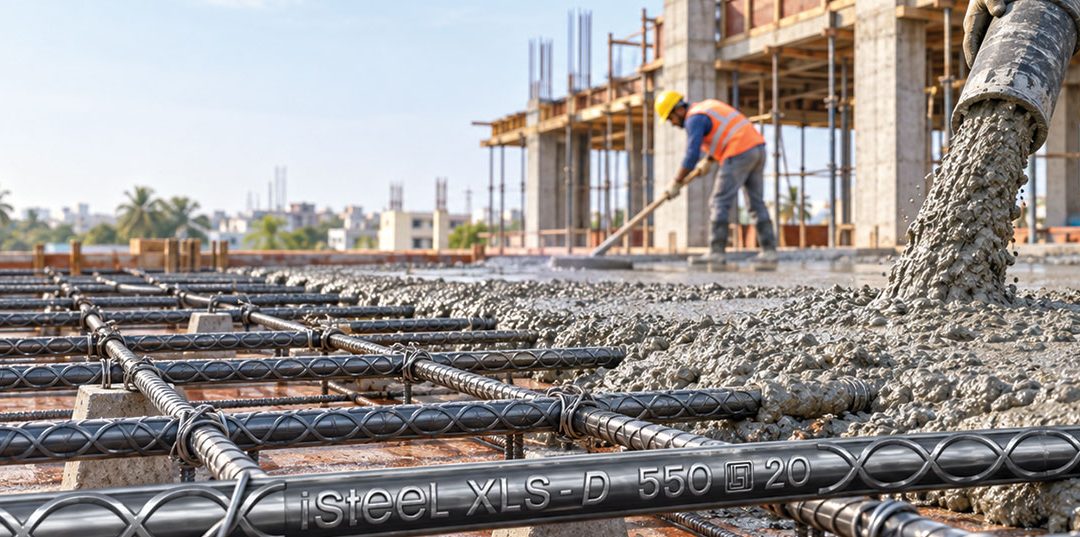
Steel for RCC Construction: What Your Contractor Doesn’t Tell You And What Could Cost You Lakhs Later
Most homeowners in Chennai and Tamil Nadu spend months choosing floor tiles, kitchen fittings, and paint colours for their new home…
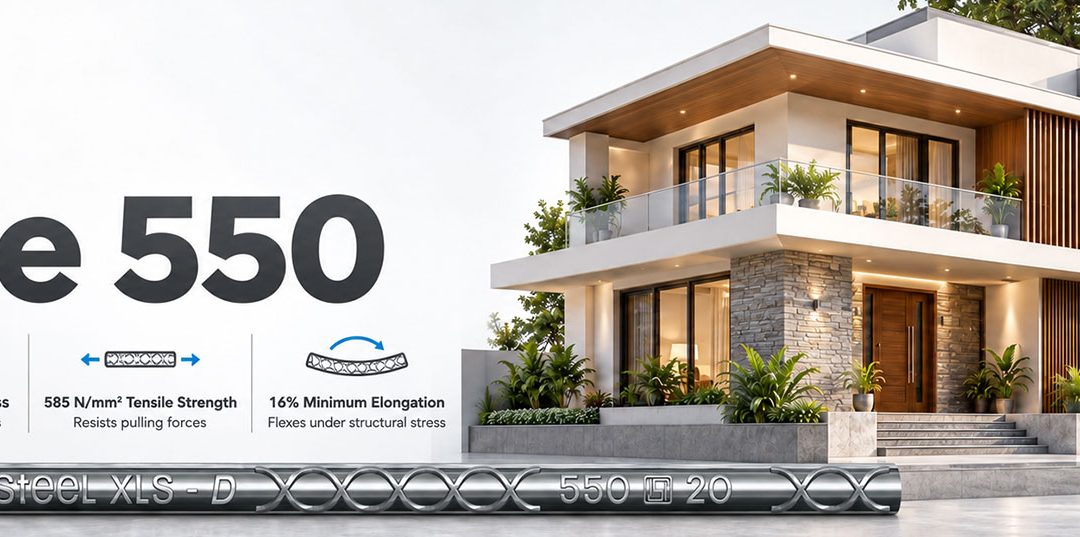
Best 550 TMT Bars: A Complete Guide to Stronger and Long-Lasting Construction
Best 550 TMT bars are an important choice for modern construction projects that require high strength, durability, flexibility…
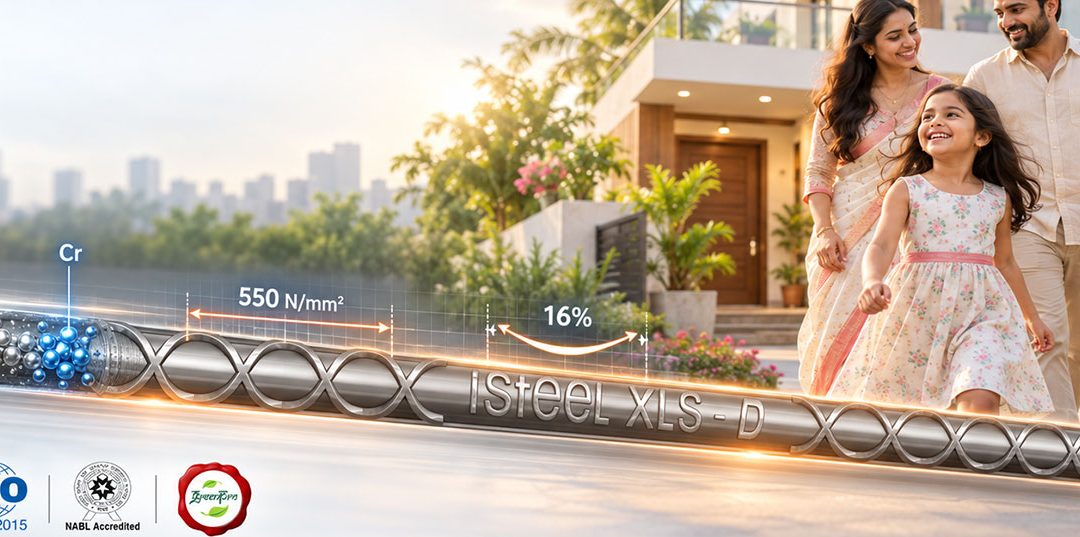
India’s No 1 TMT Bar: Building Stronger Foundations for a Safer Tomorrow
India’s No 1 TMT bar is more than just a construction material; it is an essential part of building structures that are designed…
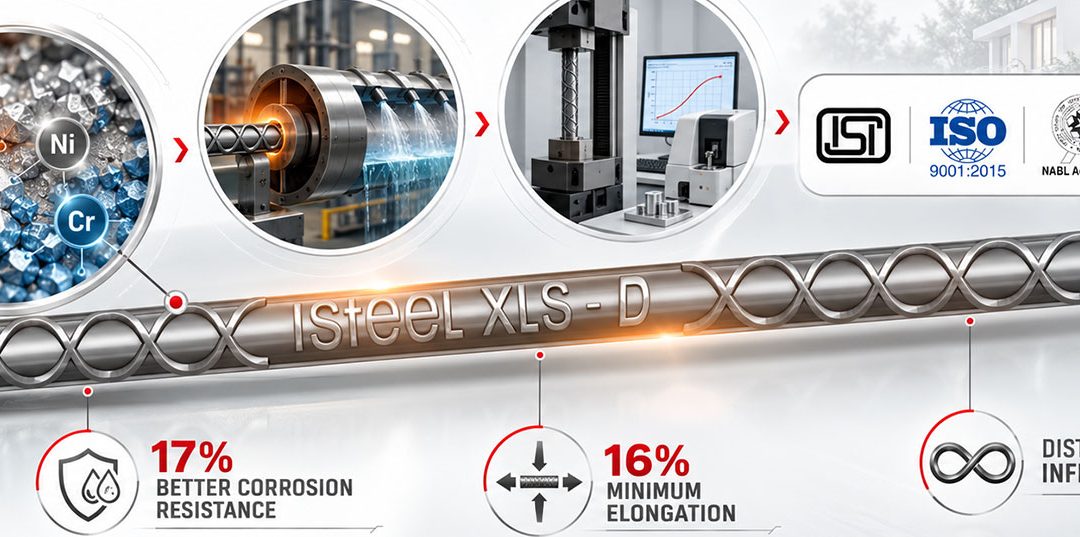
What Separates the Best Steel Company From Every Other? A Builder’s Guide to Choosing Steel That Never Compromises
Every steel supplier will tell you they are the best. They will show you certifications, quote competitive rates, and promise reliable…