

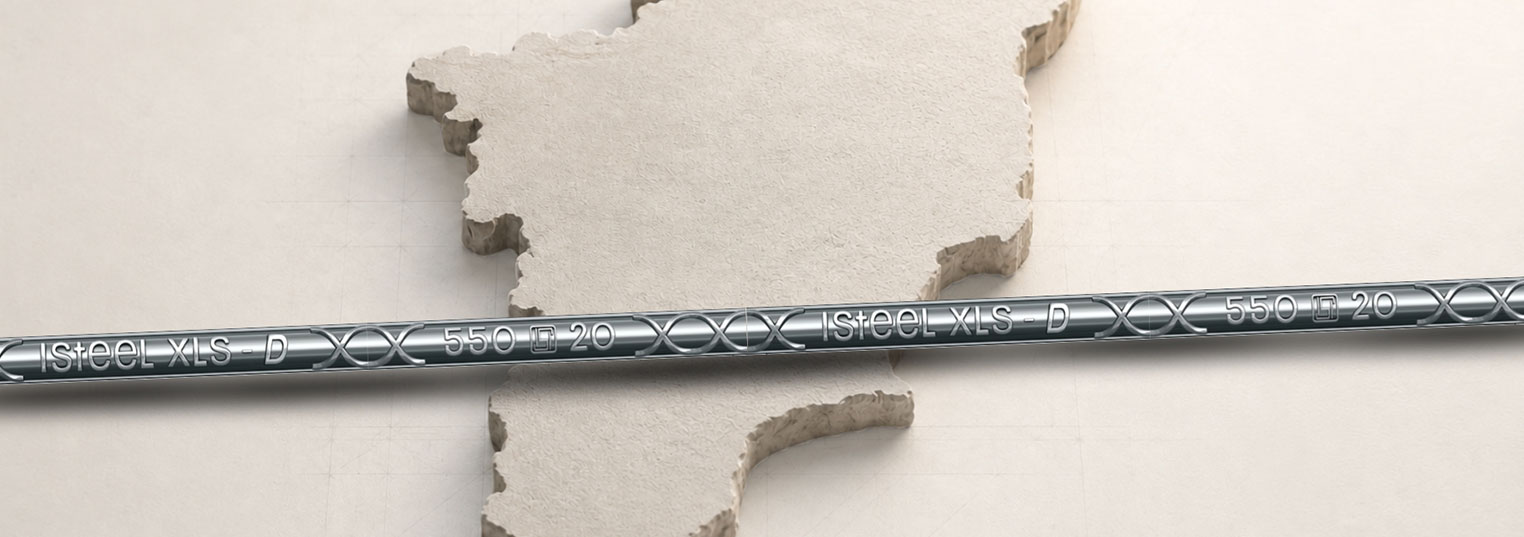
Best TMT Bars in Tamil Nadu: What “Best” Really Means When a Home Has to Last 50 Years
Ask ten people what the best TMT bars in Tamil Nadu are and you will get ten different answers each shaped by brand familiarity, dealer relationships, or the last advertisement they saw. But ask a structural engineer with 20 years of experience in Tamil Nadu’s construction sector, and the answer will be more specific, more demanding, and more instructive.
The best TMT bar is not the most advertised. It is not always the cheapest per kg, nor the one stacked highest at the nearest dealer. The best TMT bar for a Tamil Nadu project is the one that will still be performing at design specification inside your concrete 40 years from now in a state where coastal salt air, monsoon moisture, seismic zone classifications, and rapidly evolving structural requirements all conspire to expose weaknesses in steel that was never designed to meet them.
This blog takes a different approach from the usual brand comparisons. Instead of telling you which name to trust, it will show you exactly what to look for the technical, environmental, and quality dimensions that separate genuinely high-performing TMT steel from the commodity alternatives that dominate the lower end of Tamil Nadu’s construction market. And it will show you why iSTEEL’s XLS-D grade consistently meets every one of those dimensions.
Tamil Nadu’s Construction Reality: Why the Bar for “Best” Is Higher Here
Tamil Nadu is not a uniform construction environment. It is a state of contrasts cosmopolitan Chennai high-rises and rural Tirunelveli housing, industrial Coimbatore and coastal Rameswaram, the delta plains of the Kaveri and the granite highlands of the Nilgiris. Each geography, each microclimate, each structural typology places different demands on reinforcement steel.
But there is one challenge that cuts across nearly every construction zone in Tamil Nadu: the corrosion risk from the state’s coastal exposure, humidity levels, and groundwater chemistry. With over 1,000 km of coastline and a monsoon season that delivers 600–1,800 mm of rainfall annually depending on the district, Tamil Nadu’s built environment is under sustained moisture and chloride stress that most TMT bar specifications were simply not designed to address.
This is not a theoretical concern. Structural surveys of buildings across Chennai, Cuddalore, Nagapattinam, and Thoothukudi regularly document accelerated corrosion damage in structures less than 25 years old buildings whose reinforcement steel was specified to IS 1786 standards but manufactured without corrosion-resistant alloy enhancements. The IS 1786 standard is a necessary minimum. For Tamil Nadu’s conditions, it is not a sufficient one.
The best TMT bars in Tamil Nadu, therefore, must start where IS 1786 ends.
The Five Dimensions That Define the Best TMT Bars
Rather than evaluating steel by brand name or price point, evaluate it across these five dimensions. Together, they define what it means for a TMT bar to be genuinely the best for Tamil Nadu’s conditions:
1. Yield Strength: The Load-Bearing Foundation
Yield strength measured in N/mm² is the load a bar can sustain before it begins to permanently deform. Higher yield strength means a structure can carry greater loads with the same or less steel. IS 1786 defines grades from Fe415 (minimum 415 N/mm² yield strength) through Fe550D (minimum 550 N/mm²).
For most residential construction in Tamil Nadu ground-plus-two or ground-plus-three buildings Fe500 or Fe500D provides adequate yield strength. For high-rise structures, long-span elements, bridges, and heavy commercial or industrial buildings, Fe550D offers meaningful structural advantages. The key is matching the grade to the engineering requirement not defaulting to the cheapest available grade or over-specifying without structural justification.
What matters most is not just the grade number on the label, but whether the actual bars in delivery consistently meet that grade. Batch-to-batch variation in lesser-quality manufacturing can result in bars testing below their specified yield strength a risk that only independent or on-site testing can reliably detect.
2. Ductility: The Property That Keeps Structures Standing in a Seismic Event
Ductility is the ability of steel to undergo significant plastic deformation before fracturing to bend without breaking. In earthquake-resistant design, ductility is as important as strength: a structure built with brittle, high-strength steel may fracture suddenly under seismic loads, while a structure built with adequately ductile steel will deform and absorb energy, giving occupants time to evacuate.
The IS 1786 “D” designation Fe500D, Fe550D specifically requires enhanced ductility through minimum elongation percentages (16–18%) and a minimum UTS/YS ratio of 1.15. This ratio ensures the steel has a meaningful reserve of strength above its yield point before it reaches ultimate failure.
Tamil Nadu falls within Seismic Zones II and III. For any multi-storey construction in Chennai, Coimbatore, or Madurai all of which have experienced seismic activity in recorded history specifying “D” grade bars is not over-engineering. It is sound structural practice.
3. Corrosion Resistance: The Dimension Most Buyers Overlook
Here is the uncomfortable truth about corrosion resistance and TMT bars: the IS 1786 grade designation Fe415, Fe500, Fe500D, Fe550D says nothing about corrosion resistance. Two bars with identical grade markings from two different manufacturers can have dramatically different corrosion resistance performance depending on their alloy composition and manufacturing process.
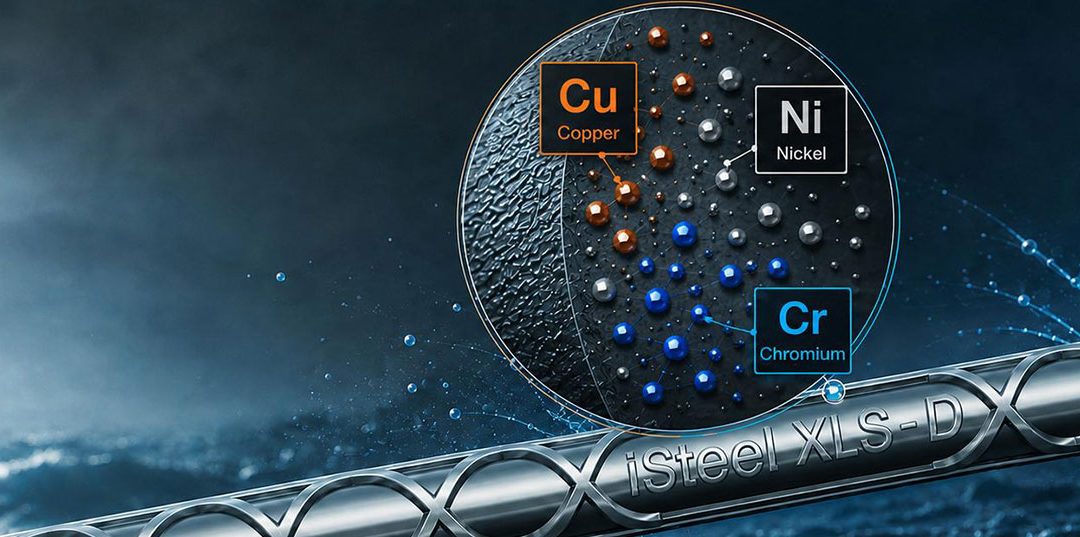
Genuine corrosion resistance in TMT bars comes from the deliberate addition of alloying elements copper (Cu), chromium (Cr), and phosphorus (P) in controlled proportions that modify the steel’s electrochemical behaviour and create a denser, more protective surface oxide layer. This layer slows chloride ion penetration (the primary driver of coastal corrosion) and reduces the rate of electrochemical oxidation that causes rust.
For Tamil Nadu’s coastal and humid construction environments, this alloy composition is the single most important differentiator between bars that will perform for 50 years and bars that will begin showing corrosion-related structural damage in 15. It is also the dimension least visible to buyers which is precisely why it is the most commonly compromised in price-competitive markets.
4. Manufacturing Consistency: The Property Behind All the Others
A TMT bar’s strength, ductility, and corrosion resistance are all products of its manufacturing process specifically, the quality of raw materials, the precision of the thermo-mechanical treatment, and the consistency of alloy additions across the full production run. The most rigorously engineered specification is only as good as the manufacturing process that produces it.
Inconsistent manufacturing creates bars where test samples the specific bars submitted for quality certification may meet the specification while other bars in the same batch do not. This is why a BIS test certificate, while necessary, is not sufficient evidence of consistent quality across a delivery. What matters is the manufacturer’s in-process quality monitoring system the controls that ensure every bar, not just the test sample, meets specification.
5. Verifiable Quality: The Dimension That Protects the Buyer
The final dimension is perhaps the most practically important for builders and homeowners who lack the laboratory equipment to independently verify what they are buying: can the supplier demonstrate the quality of the specific bars being delivered to the specific project?
This is the dimension that most suppliers in Tamil Nadu’s competitive steel market cannot address. Test certificates are issued for batches, not for individual deliveries. Bars from multiple batches may be combined in a single delivery. Without on-site testing capability, there is no way for a buyer to verify that what they received matches what the certificate claims.
iSTEEL’s Mobile Steel Testing Van is a direct answer to this gap and it is the capability that most clearly distinguishes iSTEEL from every other TMT bar supplier in Tamil Nadu.
How iSTEEL XLS-D Performs Across All Five Dimensions
Yield Strength
iSTEEL offers the full range of IS 1786 grades from Fe415 through Fe550D ensuring the right strength specification is available for every project type. iSTEEL’s manufacturing process is designed to deliver consistent yield strength across batches, not just at the test sample level.
Ductility
iSTEEL’s Fe500D and Fe550D grades meet the IS 1786 “D” ductility requirements minimum 16% elongation and 1.15 UTS/YS ratio making them appropriate for seismic zone construction across Tamil Nadu’s Zones II and III.
Corrosion Resistance
This is where iSTEEL’s XLS-D technology makes its most decisive contribution. The XLS-D designation reflects a deliberate corrosion resistance engineering programme incorporating copper and chromium additions in controlled proportions, combined with a manufacturing process optimised for surface microstructure density. For Chennai’s coastal localities, for Nagapattinam’s flood-prone construction zones, for Thoothukudi’s industrial-coastal environment XLS-D provides measurably superior protection against the corrosion mechanisms that are the primary threat to long-term structural integrity in Tamil Nadu.
Manufacturing Consistency
iSTEEL’s production facilities maintain in-line quality monitoring at multiple stages of the manufacturing process from raw material verification through rolling, quenching, and finishing. This process discipline ensures that the mechanical and compositional properties of iSTEEL bars are consistent across batches, not just across test samples. BIS IS 1786 certification provides independent verification of this consistency.
Verifiable Quality
iSTEEL’s Mobile Steel Testing Van brings quality verification to the construction site. Yield strength, tensile strength, elongation, bend test, and chemical composition can all be verified on-site for the specific bars in a specific delivery. This is the most transparent quality assurance capability available from any TMT bar supplier in Tamil Nadu and it is the capability that gives builders, engineers, and homeowners genuine confidence in what is going into their concrete.
Real-World Applications: Matching iSTEEL XLS-D to Tamil Nadu’s Project Types
Chennai Coastal Residential The Most Demanding Use Case
For residential construction within Chennai’s coastal belt Besant Nagar, Thiruvanmiyur, Neelankarai, ECR, and all localities within 10–15 km of the seafront iSTEEL XLS-D in Fe500D or Fe550D is the specification that responsible structural engineering demands. The combination of high chloride exposure from marine aerosols, elevated groundwater salinity in many localities, and the long expected service life of residential buildings makes corrosion-resistant steel the only defensible choice.
High-Rise Commercial and Residential in Urban Centres
For structures above G+5 floors in Chennai, Coimbatore, and Madurai where cumulative structural loads are significant and seismic performance is an engineering priority Fe550D XLS-D provides the optimal combination of high yield strength, enhanced ductility, and corrosion resistance. The higher yield strength of Fe550D allows reinforcement optimisation in heavily loaded sections, improving concrete placement quality in congested reinforcement zones.
Infrastructure: Bridges, Flyovers, and Public Buildings
Tamil Nadu’s infrastructure programme road widening, flyover construction, coastal highway development, school and hospital building demands reinforcement steel that can sustain structural performance over 40–60 year design lives. For coastal infrastructure exposed to both structural loads and marine corrosion, iSTEEL XLS-D is the long-life specification that matches the design intent.
Rural and Semi-Urban Housing
For individual homebuilders in Tamil Nadu’s smaller towns and rural areas building homes intended to shelter two or three generations iSTEEL XLS-D in Fe500 or Fe500D provides the corrosion resistance and quality assurance that protects a family’s most significant financial investment. Through iSTEEL’s distribution network, this quality is accessible beyond major urban centres.
What to Ask Before Buying TMT Bars in Tamil Nadu
Whether you are evaluating iSTEEL or any other brand, these questions will reveal the real quality behind the marketing:
- Is the steel BIS IS 1786 certified for this specific grade? Can you show me the current BIS licence number?
- What corrosion-resistant alloying elements are present in this grade and at what percentage levels? Can you provide the chemical composition test report for this batch?
- Does this bar meet the “D” ductility requirements minimum 16% elongation and 1.15 UTS/YS ratio? Is this documented for this batch?
- How do you ensure manufacturing consistency across the full batch, not just the test sample?
- Can the quality of the bars being delivered to my site be verified on-site or at point of delivery?
- What is your after-sales process if a quality issue is identified post-delivery?
A supplier who answers all six questions with specific, documented, verifiable data rather than general assurances or deflection is demonstrating the accountability that structural construction demands. iSTEEL is built to answer every one of these questions directly.
The Generational Investment Argument
Tamil Nadu’s homebuilders are, in the vast majority of cases, building once. The home being constructed today is the home a family expects to live in, maintain, and eventually pass to the next generation. The quality of the reinforcement steel inside that home invisible once the concrete sets, irreplaceable without demolition will determine whether that expectation is met.
The price difference between commodity TMT bars and iSTEEL XLS-D on a typical 1,500 sq ft residential project amounts to a fraction of the total construction budget. The structural difference in corrosion resistance, in long-term performance, in the probability that the home will stand safely for 50 years rather than requiring major structural intervention in 20 is enormous.
This is the generational investment argument for the best TMT bars in Tamil Nadu. Not the cheapest steel. Not the most familiar brand. The steel that gives your structure the best possible chance of performing at design specification for the full length of its intended service life.
That steel is iSTEEL XLS-D.
Conclusion
The search for the best TMT bars in Tamil Nadu is ultimately a search for structural trust confidence that the material inside your concrete will perform consistently, resist the specific environmental threats of Tamil Nadu’s coastal and humid climate, and protect the investment of everyone who depends on that structure for decades to come.
iSTEEL XLS-D earns that trust through five dimensions that matter: consistent yield strength across grades, enhanced ductility for seismic performance, corrosion resistance specifically engineered for Tamil Nadu’s conditions, manufacturing quality that goes beyond test-sample certification, and on-site verification capability through the Mobile Steel Testing Van that no other TMT bar supplier in Tamil Nadu can match.
Other Blogs
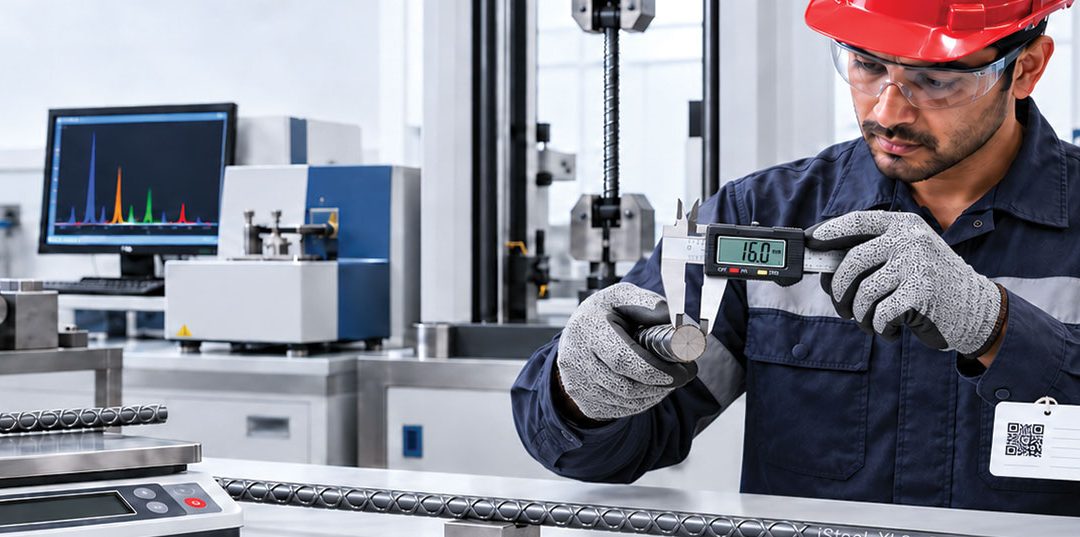
Steel Quality Assurance Services: Ensuring Strength, Safety and Reliability in Construction
Steel is one of the most important materials used in modern construction. From residential homes and commercial buildings…
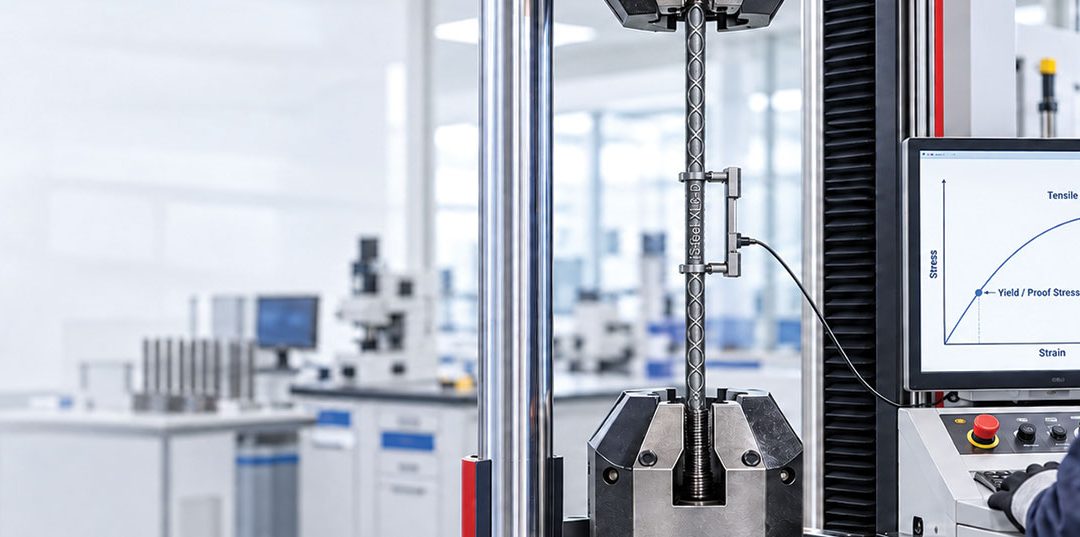
TMT Tensile Strength Testing: Why It Matters for Strong and Safe Construction
When it comes to building a safe and durable structure, the quality of reinforcement steel plays a critical role. TMT bars are…
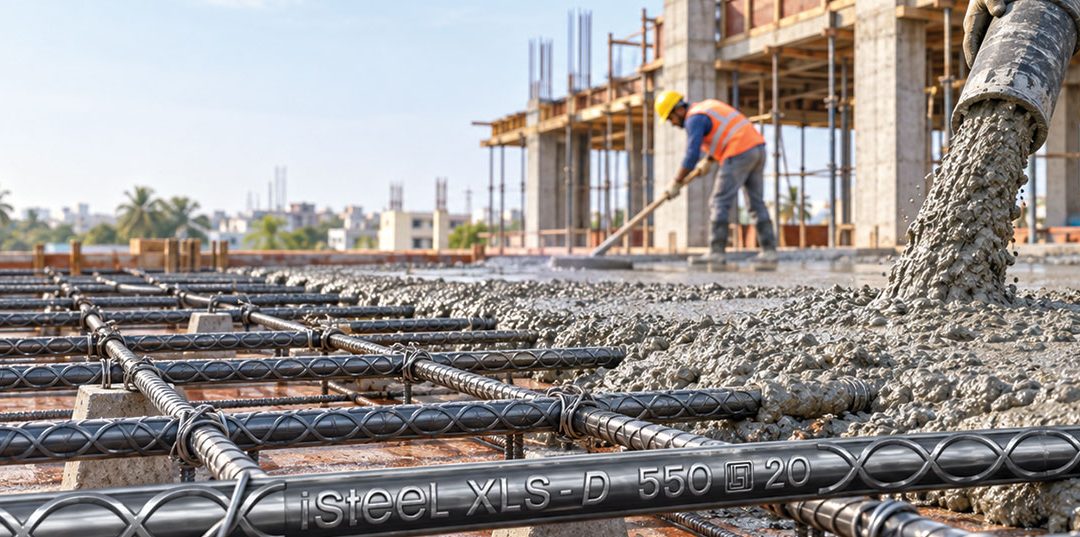
Steel for RCC Construction: What Your Contractor Doesn’t Tell You And What Could Cost You Lakhs Later
Most homeowners in Chennai and Tamil Nadu spend months choosing floor tiles, kitchen fittings, and paint colours for their new home…
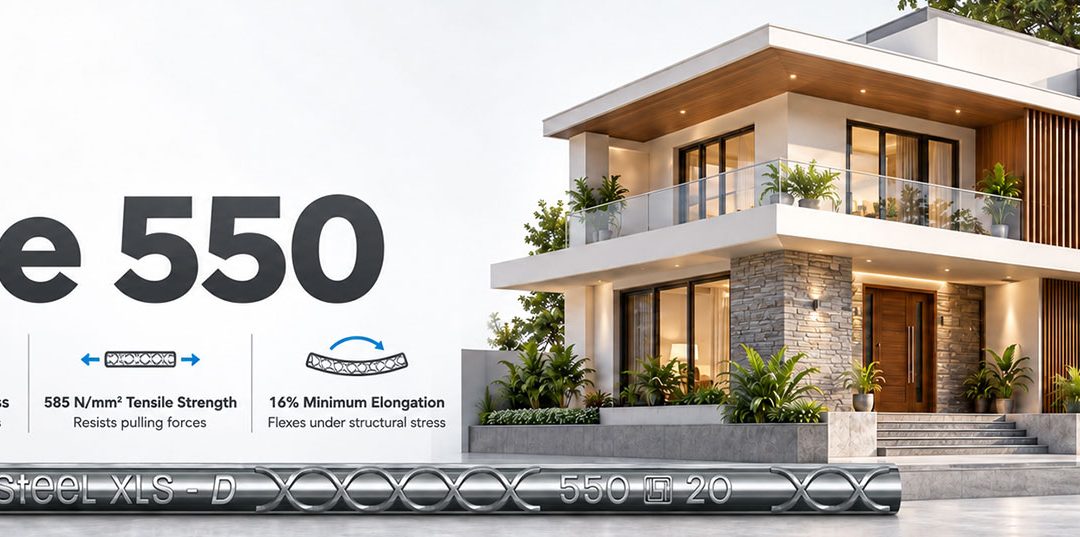
Best 550 TMT Bars: A Complete Guide to Stronger and Long-Lasting Construction
Best 550 TMT bars are an important choice for modern construction projects that require high strength, durability, flexibility…
India’s No 1 TMT Bar: Building Stronger Foundations for a Safer Tomorrow
India’s No 1 TMT bar is more than just a construction material; it is an essential part of building structures that are designed…
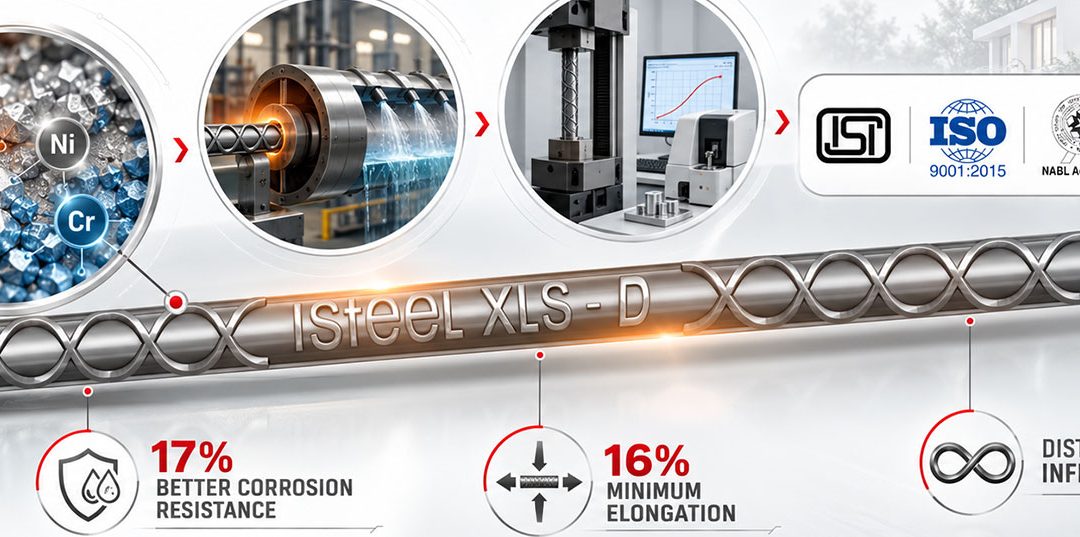
What Separates the Best Steel Company From Every Other? A Builder’s Guide to Choosing Steel That Never Compromises
Every steel supplier will tell you they are the best. They will show you certifications, quote competitive rates, and promise reliable…
Top TMT Bar Manufacturers in Tamil Nadu: What Separates a Premium Steel Brand From a Commodity Supplier
Tamil Nadu is building at a pace that is reshaping its skyline, coastline, and economic geography all at once. From Chennai’s…
Best TMT Steel for Long Lasting Homes: What Every Homeowner in Tamil Nadu Needs to Know Before Construction Begins
When a family builds a home, they are not building for five years or ten years. They are building for a lifetime and often, for the generation…

Rust Proof TMT Bars: Why What You Cannot See Inside Your Walls Determines How Long Your Home Stands
When a home is built, the reinforcement steel disappears behind concrete, plaster, and paint. It becomes invisible and for most homeowners…
Top TMT Steel Brand in Tamil Nadu: What Separates a Truly Premium Steel Brand From the Rest
When engineers, builders, and homeowners in Tamil Nadu search for the top TMT steel brand, they are not simply looking…