

What Separates the Best Steel Company From Every Other? A Builder’s Guide to Choosing Steel That Never Compromises
So what genuinely separates the best steel company from the dozens of alternatives competing for your business? The answer is not a single feature it is a combination of engineering depth, manufacturing discipline, quality transparency, recognised certifications, sustainability credentials, and a fundamental commitment to building steel that protects structures and the people inside them for generations.
The best steel companies go beyond simply meeting minimum standards. They invest in advanced manufacturing, accredited testing, product innovation, sustainability, and customer-focused quality verification.
This blog breaks down exactly what that looks like and what every engineer, builder, contractor, and homeowner should be demanding before a single bar leaves the supplier’s yard.
The Steel Industry’s Uncomfortable Truth
The Indian TMT bar market is crowded and, in many segments, opaque. Dozens of brands operate across the country, producing steel to varying interpretations of IS 1786 standards. The minimum certification requirement BIS IS 1786 sets a floor, but the gap between the floor and genuine premium quality is wider than most buyers realise.
Consider what IS 1786 certification does and does not guarantee:
- It certifies that a sample from a production batch met specified mechanical properties on the day of testing.
- It does not certify that every bar in that batch meets those properties.
- It does not specify corrosion-resistant alloy additions those are optional engineering choices, not mandatory requirements.
- It does not verify the consistency of the thermo-mechanical treatment across production runs.
- It does not tell you how the steel will perform in your specific site conditions whether coastal, humid, industrial, or flood-prone.
The best steel company closes all of these gaps. Not because regulations require it, but because genuine quality commitment demands it.
And that commitment is reflected not just in one certification, but in a complete quality ecosystem from manufacturing and laboratory testing to product innovation, sustainability, and on-site verification.
What the Best Steel Company Actually Looks Like
1. Engineering That Goes Beyond the Grade Label
Grade labels Fe500, Fe550 tell you the minimum strength specification. They tell you almost nothing about how a bar will perform over 40 years in a coastal city, or how consistently it was manufactured across a 500-tonne production run.
The best steel companies engineer beyond the grade, incorporating corrosion-resistant alloying elements, optimising microstructural consistency, and designing rib geometry for superior concrete bond because they understand that real-world structural performance is determined by factors the grade label does not capture.
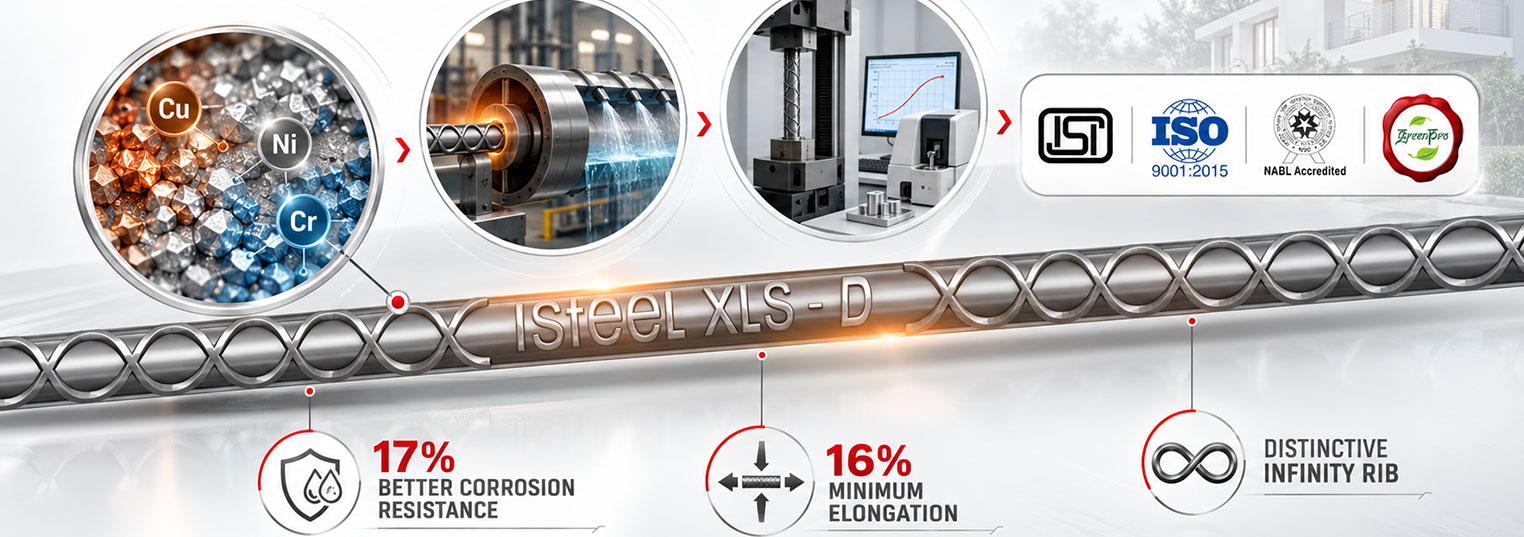
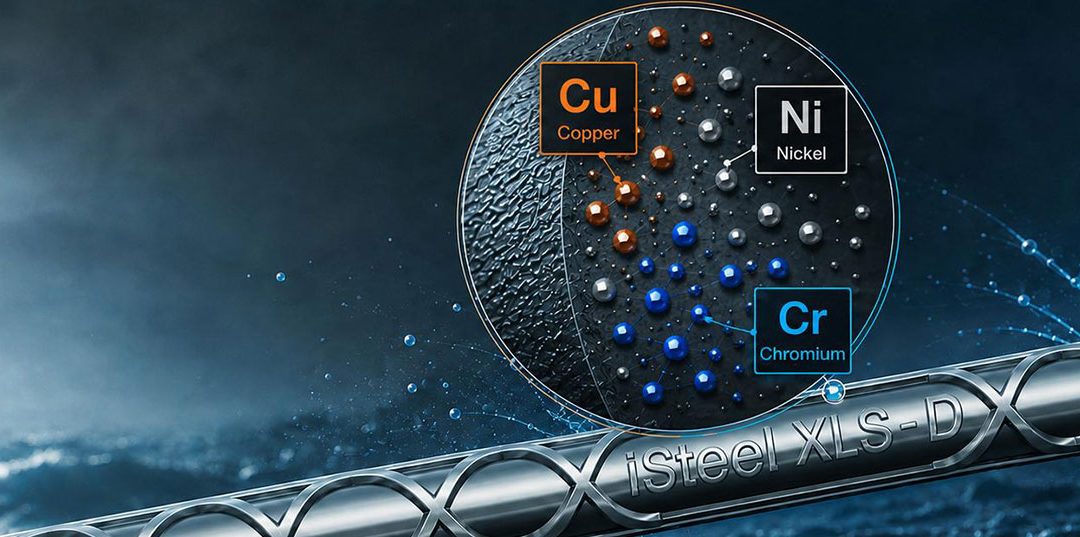
iSTEEL’s XLS-D technology is a direct expression of this philosophy. The XLS-D designation reflects enhanced corrosion resistance through controlled alloying additions, including copper, chromium, and nickel properties not required simply by the IS 1786 grade specification, but important considerations for structures in South India’s coastal and high-humidity environments.
This is engineering that goes beyond certification compliance to deliver a more performance-focused reinforcement solution.
2. Manufacturing Consistency You Can Verify
A test certificate is only as meaningful as the consistency it represents. If the tested sample was drawn from the best portion of a batch, and the rest of the batch varied significantly in alloy composition or cooling rate, the certificate is a legal document not a quality guarantee.
The best steel companies invest in in-line process monitoring, batch-level documentation, and quality systems that ensure consistent manufacturing.
This is where recognised quality-management and testing credentials become important differentiators. iSTEEL’s quality approach is supported by ISO 9001:2015 certification, while its factory testing laboratory is NABL-accredited under ISO/IEC 17025:2017. These systems provide additional assurance around quality management, testing competence, and consistency.
But manufacturing consistency alone is not enough if buyers have no way to verify it.
This is why iSTEEL’s Mobile Steel Testing Van is such a significant differentiator. By bringing testing capability directly to construction sites and dealer points across Tamil Nadu, iSTEEL enables engineers and builders to verify the mechanical and chemical properties of the actual bars going into their structure, in real time.
This is quality transparency that no paper certificate can match.
3. A Long-Life Proposition, Not Just a Sale
The best steel company thinks about what happens to its product 20 years after delivery not just at the point of sale.
This long-term perspective shapes every product decision: the choice of alloy additions that resist corrosion, the investment in process controls that ensure consistency, the commitment to testing that verifies what customers receive.
It also shapes how the company communicates educating builders and homeowners about the real risks of inferior steel, the science of corrosion, and the difference that quality makes over the lifetime of a structure.
iSTEEL’s brand positioning as a long-life steel company is not a marketing tagline it is the organising principle behind the XLS-D product line, the Mobile Testing Van initiative, and the company’s engagement with engineers and construction professionals across South India.
The company’s commitment to sustainability adds another dimension to this long-term approach. GreenPro certification reflects iSTEEL’s focus on environmentally responsible products and manufacturing, giving customers another important differentiator to consider when selecting steel for modern construction projects.
4. Technical Support That Treats Engineers as Partners
Construction projects are technically complex, and steel specification decisions involve structural calculations, site condition assessments, and grade selections that require expertise.
The best steel companies provide genuine technical support helping engineers and builders select the right grade and diameter for specific structural applications, advising on corrosion risk based on site conditions, and being available to answer questions that go beyond the rate card.
This kind of technical engagement builds the engineer and builder confidence that is the hallmark of a genuinely premium steel brand and it stands in sharp contrast to the transactional approach of commodity suppliers who compete solely on price.
The Corrosion Question: Why It Defines the Best Steel Company in South India
For construction projects across Tamil Nadu, Kerala, Andhra Pradesh, and Karnataka — regions where coastal proximity, monsoon intensity, and industrial pollution can create aggressive corrosion environments the corrosion resistance of reinforcement steel is an important long-term performance consideration.
Corrosion is not a surface phenomenon. When chloride ions from marine air or groundwater penetrate concrete and reach the steel surface, they can initiate an electrochemical reaction that converts steel to rust. Rust occupies significantly more volume than the original steel, generating internal pressure that can contribute to cracking and spalling of concrete.
By the time visible damage appears on a building’s exterior, the underlying deterioration may already be significant.
The best steel company therefore has a clear, engineering-based answer to this problem.
For iSTEEL, that answer is the XLS-D grade with engineered alloying elements, corrosion-focused product development, verified composition, and the on-site testing capability that allows builders to confirm the properties of the steel they receive.
Quality Certifications That Add Another Layer of Confidence
When evaluating the best steel company, buyers should look beyond a single certification.
A strong quality proposition is built through multiple layers of verification and recognised standards.
iSTEEL’s quality credentials include BIS approval for its XLS-D TMT bars, ISO 9001:2015 certification, and NABL accreditation for its factory testing laboratory under ISO/IEC 17025:2017.
Each addresses a different aspect of quality:
- BIS approval demonstrates compliance with applicable Indian standards.
- ISO 9001:2015 supports a structured quality-management approach.
- NABL accreditation provides confidence in the competence and reliability of the testing laboratory.
- GreenPro certification adds an important sustainability dimension to the product and manufacturing proposition.
Together, these differentiators demonstrate that quality is not treated as a single checkpoint. It is built into multiple stages of the product lifecycle.
Five Questions That Reveal Whether a Steel Company Is Truly the Best
Before committing to any steel supplier for your next construction project, ask these five questions. The answers will quickly reveal whether you are dealing with a genuine quality leader or a commodity supplier with a good marketing department:
Question 1: Can you show me the chemical composition of the specific batch I am receiving?
Not a generic grade certificate the actual composition report for the batch being delivered.
A company confident in its product will provide this without hesitation. One that cannot or will not is telling you something important about its quality assurance systems.
Question 2: What corrosion-resistant alloying elements are present, and at what levels?
This question specifically tests whether the supplier’s “corrosion resistant” claim is backed by engineering or just marketing language.
Specific elements such as copper, chromium, and nickel, supported by documented composition and testing, provide a stronger basis for evaluating corrosion-focused steel than vague assurances.
Question 3: Can the steel be tested on site or at point of delivery?
On-site testing is the gold standard of quality transparency.
A supplier who offers it is demonstrating that their confidence in their product extends beyond the controlled conditions of a laboratory.
iSTEEL’s Mobile Steel Testing Van exists precisely to answer “yes” to this question for projects at different scales.
Question 4: How do you ensure consistency across batches, not just individual samples?
Quality control systems, in-process monitoring, laboratory testing, and batch documentation are what separate genuine quality manufacturers from those who produce to minimum specification with occasional testing.
Ask for specifics: what parameters are monitored, at what frequency, and how deviations are handled.
The presence of an NABL-accredited testing laboratory provides an additional quality differentiator when evaluating a manufacturer’s testing capabilities.
Question 5: What is your after-sales support process for quality concerns?
A company that stands behind its product will have a clear, specific answer to this question.
One that does not will tell you more about their commitment to quality accountability than any certification document.
iSTEEL: Built to Be the Best Steel Company for South India’s Construction Needs
iSTEEL was not designed to be a generic national steel brand competing on volume and price. It was built to be the premium steel choice for South India’s specific construction challenges the coastal corrosion environments of Tamil Nadu and Andhra Pradesh, the high-rise construction demands of Chennai and Hyderabad, the infrastructure requirements of a rapidly developing region, and the homes that families are building as once-in-a-lifetime investments.
The XLS-D product line answers the corrosion challenge.
BIS approval answers the quality baseline requirement.
ISO 9001:2015 certification supports a structured quality-management approach.
NABL-accredited laboratory testing adds confidence in the reliability of quality testing.
GreenPro certification demonstrates a commitment to sustainability alongside product performance.
The Mobile Steel Testing Van answers the transparency demand.
Technical support for engineers and builders answers the specification confidence requirement.
Together, these capabilities define what it means to be the best steel company not by claim, but by evidence.
The Cost of Settling for Second Best
In construction, the consequences of choosing a supplier that is almost the best rather than actually the best are deferred, invisible, and expensive.
They show up as hairline cracks in external walls years after construction. As concrete chunks falling from ceilings and balconies. As structural assessments that recommend major rehabilitation at an age when the building should have decades of service life remaining.
The price difference between premium and commodity steel at procurement time may appear small compared with the overall investment in a structure. But the potential cost difference in structural consequences over decades can be far greater measured in repair work, disruption to occupants, reduced property values, and the peace of mind that was never delivered by the cheaper choice.
The best steel company earns its premium not simply by charging more, but by delivering greater confidence and value over the life of the structure.
That is the calculation that serious builders, engineers, and property owners understand and it is the calculation iSTEEL is built to win.
Conclusion
The best steel company is not the one with the most aggressive sales team or the lowest quote on rate day.
It is the one whose steel performs reliably inside your structure for the next 50 years in South India’s coastal humidity, monsoon seasons, and the relentless passage of time that tests every material decision made during construction.
iSTEEL answers that standard with XLS-D corrosion-resistant TMT bars, BIS approval, ISO 9001:2015-certified quality systems, an NABL-accredited testing laboratory, GreenPro certification, scientifically controlled manufacturing, Mobile Steel Testing Van verification, and a long-life brand commitment built around protecting homes, families, and investments for generations.When you are choosing a steel partner for your next project whether a family home, a commercial complex, or a major infrastructure development ask the five questions above.Because the best steel company doesn’t just sell steel. It delivers confidence that lasts for generations.
Other Blogs
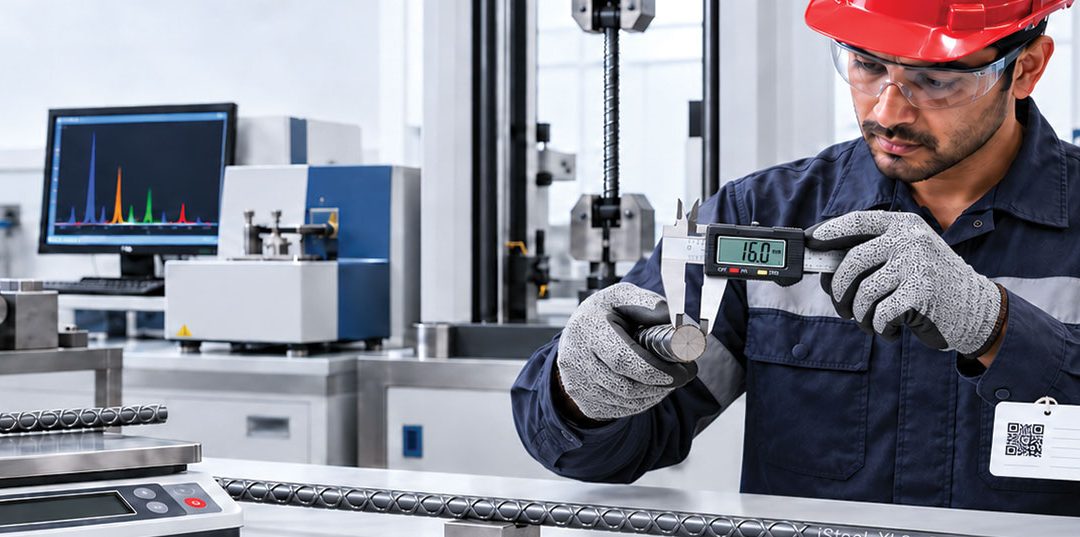
Steel Quality Assurance Services: Ensuring Strength, Safety and Reliability in Construction
Steel is one of the most important materials used in modern construction. From residential homes and commercial buildings…
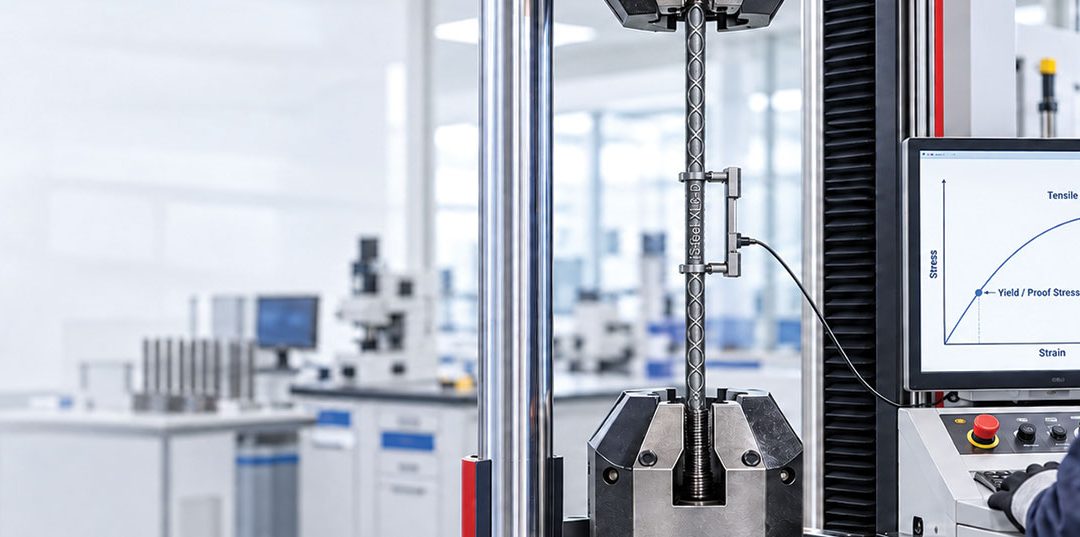
TMT Tensile Strength Testing: Why It Matters for Strong and Safe Construction
When it comes to building a safe and durable structure, the quality of reinforcement steel plays a critical role. TMT bars are…
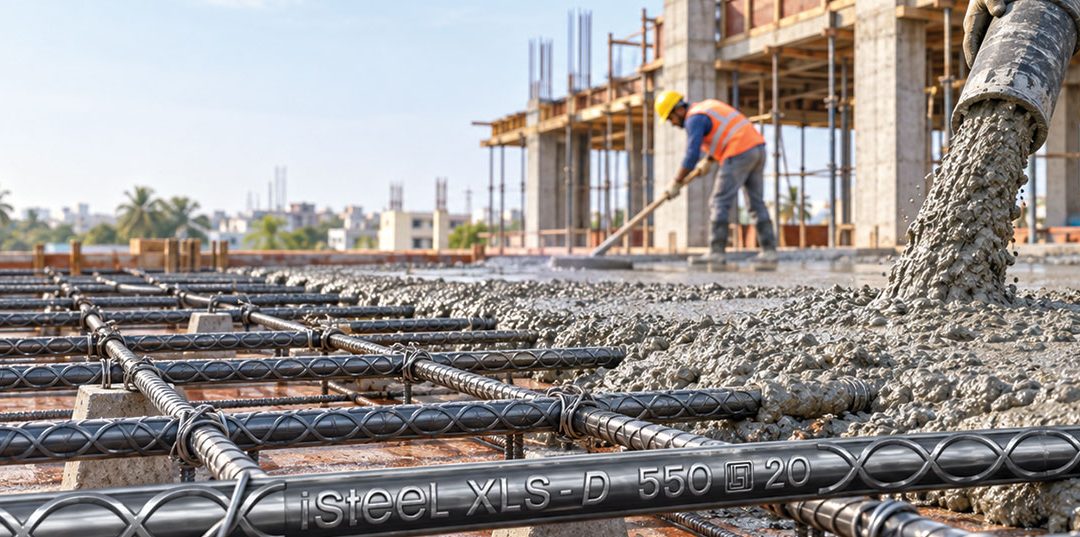
Steel for RCC Construction: What Your Contractor Doesn’t Tell You And What Could Cost You Lakhs Later
Most homeowners in Chennai and Tamil Nadu spend months choosing floor tiles, kitchen fittings, and paint colours for their new home…
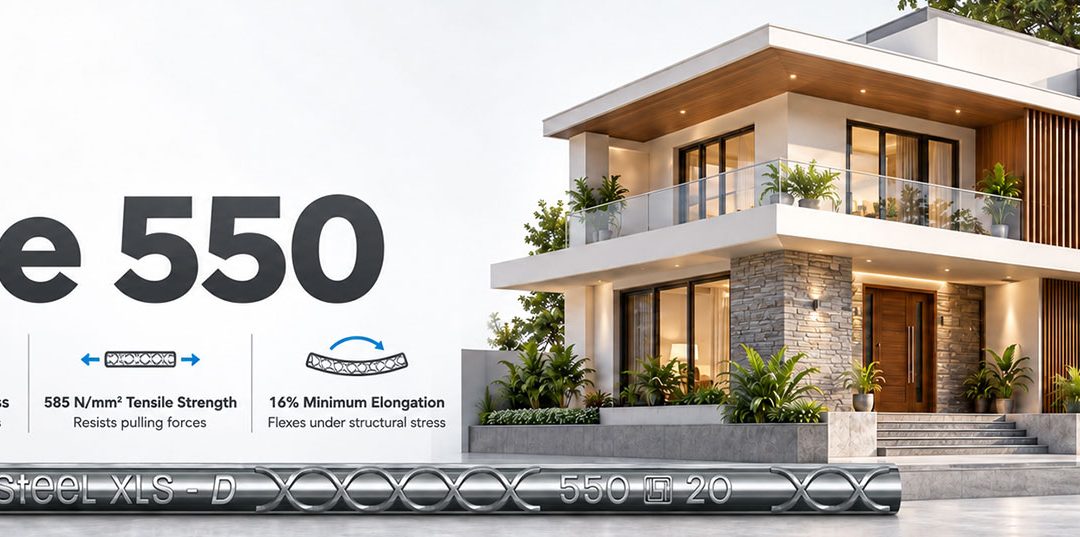
Best 550 TMT Bars: A Complete Guide to Stronger and Long-Lasting Construction
Best 550 TMT bars are an important choice for modern construction projects that require high strength, durability, flexibility…
India’s No 1 TMT Bar: Building Stronger Foundations for a Safer Tomorrow
India’s No 1 TMT bar is more than just a construction material; it is an essential part of building structures that are designed…
Top TMT Bar Manufacturers in Tamil Nadu: What Separates a Premium Steel Brand From a Commodity Supplier
Tamil Nadu is building at a pace that is reshaping its skyline, coastline, and economic geography all at once. From Chennai’s…
Best TMT Bars in Tamil Nadu: What “Best” Really Means When a Home Has to Last 50 Years
Ask ten people what the best TMT bars in Tamil Nadu are and you will get ten different…
Best TMT Steel for Long Lasting Homes: What Every Homeowner in Tamil Nadu Needs to Know Before Construction Begins
When a family builds a home, they are not building for five years or ten years. They are building for a lifetime and often, for the generation…

Rust Proof TMT Bars: Why What You Cannot See Inside Your Walls Determines How Long Your Home Stands
When a home is built, the reinforcement steel disappears behind concrete, plaster, and paint. It becomes invisible and for most homeowners…
Top TMT Steel Brand in Tamil Nadu: What Separates a Truly Premium Steel Brand From the Rest
When engineers, builders, and homeowners in Tamil Nadu search for the top TMT steel brand, they are not simply looking…