


TMT Tensile Strength Testing: Why It Matters for Strong and Safe Construction
Tensile strength testing evaluates how much pulling force a TMT bar can withstand before it fails. Along with other mechanical and physical tests, it helps determine whether reinforcement steel meets the required quality standards for construction.
What Is TMT Tensile Strength?
Tensile strength refers to the maximum stress that a material can withstand while being stretched or pulled before breaking. In the case of TMT bars, tensile strength is an important mechanical property because reinforcement steel must work together with concrete to resist structural forces.
TMT bars are manufactured through a thermo-mechanical treatment process that gives them a strong outer surface and a relatively ductile core. However, manufacturing quality, chemical composition, processing conditions, and other factors can affect their final performance.
This is why testing is essential. Under IS 1786:2008, high-strength deformed steel bars and wires for concrete reinforcement are evaluated for properties including proof stress, percentage elongation, tensile strength, bend and re-bend performance.
What Is TMT Tensile Strength Testing?
TMT tensile strength testing is a laboratory test in which a prepared steel specimen is subjected to a controlled pulling force using a tensile testing machine, also known as a Universal Testing Machine (UTM).
The test continues as the load increases until the specimen reaches its maximum load and eventually fractures. The resulting measurements help establish important mechanical properties of the TMT bar.
According to BIS laboratory information for IS 1786, tensile testing is associated with IS 1608 Part 1, while IS 1786 specifies mechanical requirements for high-strength deformed reinforcement bars.
The testing process generally involves:
- Selecting a representative TMT bar sample.
- Preparing the test specimen according to the applicable standard.
- Measuring the relevant dimensions of the specimen.
- Placing the specimen securely in the tensile testing machine.
- Applying tensile force under controlled conditions.
- Recording the load and deformation during the test.
- Determining tensile strength, yield or proof stress, and elongation.
- Comparing the results with the applicable requirements.
Why Is Tensile Strength Testing Important?
1. It Helps Verify Steel Quality
A TMT bar may look strong and uniform externally, but visual inspection alone cannot establish its mechanical performance. Tensile testing provides measurable data about the bar’s strength and deformation characteristics.
This helps manufacturers, quality-control teams, engineers, and other stakeholders verify whether the steel meets the specified requirements.
2. It Supports Structural Reliability
Reinforcement bars are designed to carry tensile forces within reinforced concrete structures. Their mechanical properties therefore have a direct role in structural design and performance.
Consistent tensile strength and adequate ductility help reinforcement steel perform as intended when subjected to construction and service loads.
3. It Helps Meet Applicable Standards
Testing is also important for demonstrating conformity with relevant specifications. IS 1786 covers high-strength deformed steel bars and wires for concrete reinforcement and includes requirements related to tensile strength, proof stress, elongation, and other properties.
For manufacturers and buyers, testing provides an objective way to evaluate material quality rather than relying solely on appearance or general product claims.
Tensile Strength vs Yield Strength
Tensile strength and yield strength are related but different properties.
Yield or proof stress indicates the stress level associated with the beginning of significant permanent deformation, according to the applicable testing method.
Tensile strength, on the other hand, represents the maximum stress reached by the specimen during the tensile test before fracture.
Both properties are important when evaluating reinforcement steel. Elongation is also significant because it provides information about the ductility of the material.
For example, IS 1786 testing requirements include proof stress, percentage elongation, and tensile strength as mechanical characteristics of reinforcement steel.
How TMT Grade Relates to Tensile Strength
TMT bars are available in different grades, and their specified mechanical properties vary according to the grade. Common grades include Fe 500, Fe 550 and their ductility variants.
The number associated with a grade is linked to its specified minimum yield or proof stress, while tensile strength requirements are specified separately. Therefore, simply choosing a higher grade does not mean looking only at tensile strength. Yield strength, tensile strength, elongation, ductility, and the intended structural application should all be considered.
The applicable grade should always be selected based on structural design requirements and relevant standards.
Testing Is More Than Just a Strength Check
While tensile strength is important, comprehensive TMT quality evaluation involves several parameters. BIS documentation for IS 1786 identifies tests covering areas such as surface characteristics, nominal size, effective cross-sectional area, mass, tensile properties, bend testing, and re-bend testing.
This broader approach matters because a reliable reinforcement bar needs a combination of strength, ductility, dimensional consistency, and other properties.
Regular testing also supports manufacturing quality control. BIS testing guidance specifies periodic calibration requirements for tensile testing machines, highlighting the importance of reliable and properly maintained testing equipment.
Choose Quality-Assured TMT Bars for Your Construction
For builders, contractors, engineers, and homeowners, choosing quality TMT bars is an important step toward building a durable structure. iSTEEL offers TMT reinforcement products and emphasizes quality, durability, and customer knowledge as part of its approach to steel. Its website currently lists iSTEEL XLS D TMT bars, along with other steel products and services.
The company also highlights its mobile laboratory service for testing TMT bars, providing an additional quality-focused service for customers.
Conclusion
TMT tensile strength testing is an essential part of evaluating reinforcement steel. By measuring how a TMT bar responds to controlled tensile loading, testing provides valuable information about its strength, deformation, and overall mechanical performance.
For construction projects, quality should never be judged by appearance alone. Selecting TMT bars manufactured and tested according to applicable standards can help support consistent material performance and contribute to safer, more durable structures.
If you are planning a construction project, explore the TMT steel solutions available from iSTEEL and choose reinforcement steel with quality and performance in mind.
Other Blogs

Steel Quality Assurance Services: Ensuring Strength, Safety and Reliability in Construction
Steel is one of the most important materials used in modern construction. From residential homes and commercial buildings…
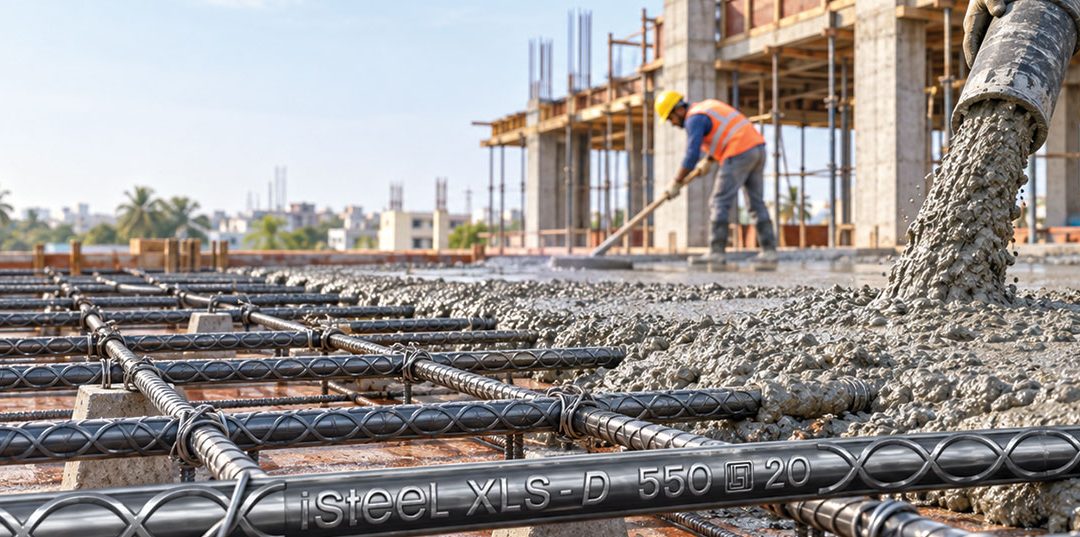
Steel for RCC Construction: What Your Contractor Doesn’t Tell You And What Could Cost You Lakhs Later
Most homeowners in Chennai and Tamil Nadu spend months choosing floor tiles, kitchen fittings, and paint colours for their new home…

Best 550 TMT Bars: A Complete Guide to Stronger and Long-Lasting Construction
Best 550 TMT bars are an important choice for modern construction projects that require high strength, durability, flexibility…

India’s No 1 TMT Bar: Building Stronger Foundations for a Safer Tomorrow
India’s No 1 TMT bar is more than just a construction material; it is an essential part of building structures that are designed…
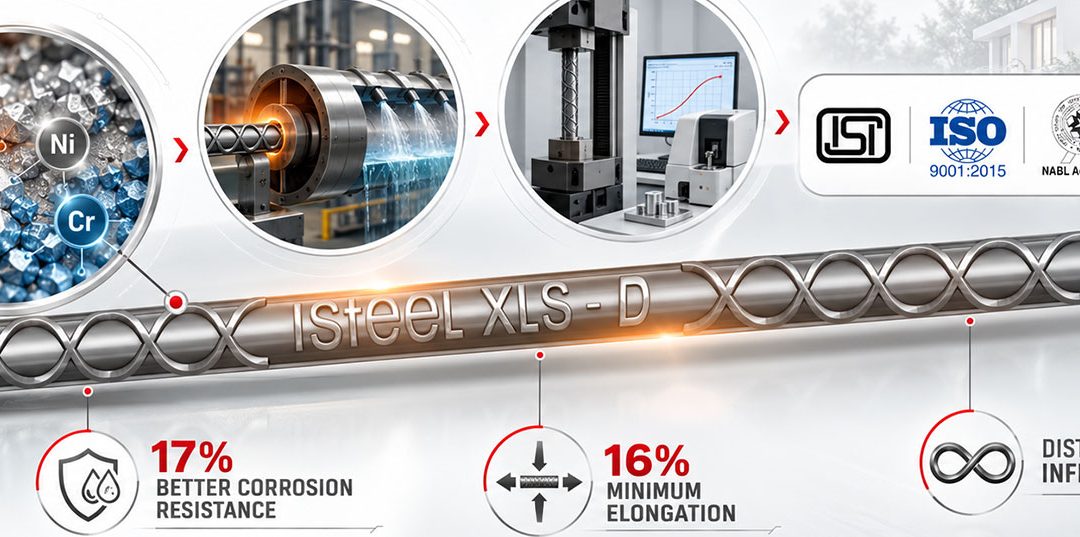
What Separates the Best Steel Company From Every Other? A Builder’s Guide to Choosing Steel That Never Compromises
Every steel supplier will tell you they are the best. They will show you certifications, quote competitive rates, and promise reliable…

Top TMT Bar Manufacturers in Tamil Nadu: What Separates a Premium Steel Brand From a Commodity Supplier
Tamil Nadu is building at a pace that is reshaping its skyline, coastline, and economic geography all at once. From Chennai’s…
Best TMT Bars in Tamil Nadu: What “Best” Really Means When a Home Has to Last 50 Years
Ask ten people what the best TMT bars in Tamil Nadu are and you will get ten different…
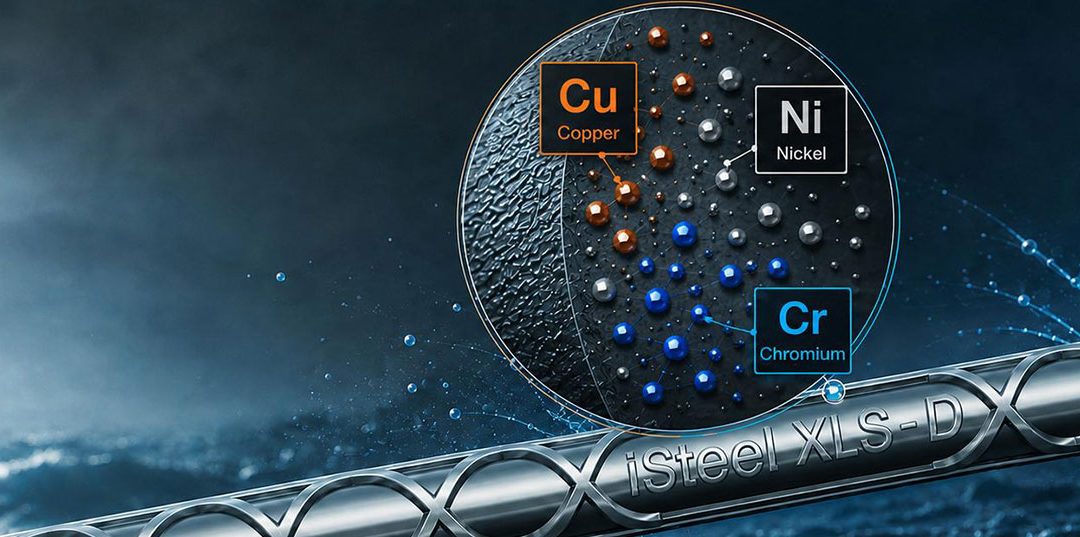
Best TMT Steel for Long Lasting Homes: What Every Homeowner in Tamil Nadu Needs to Know Before Construction Begins
When a family builds a home, they are not building for five years or ten years. They are building for a lifetime and often, for the generation…

Rust Proof TMT Bars: Why What You Cannot See Inside Your Walls Determines How Long Your Home Stands
When a home is built, the reinforcement steel disappears behind concrete, plaster, and paint. It becomes invisible and for most homeowners…
Top TMT Steel Brand in Tamil Nadu: What Separates a Truly Premium Steel Brand From the Rest
When engineers, builders, and homeowners in Tamil Nadu search for the top TMT steel brand, they are not simply looking…